
Best Options for Missing Teeth That Last
Blog:Best Options for Missing Teeth That Last
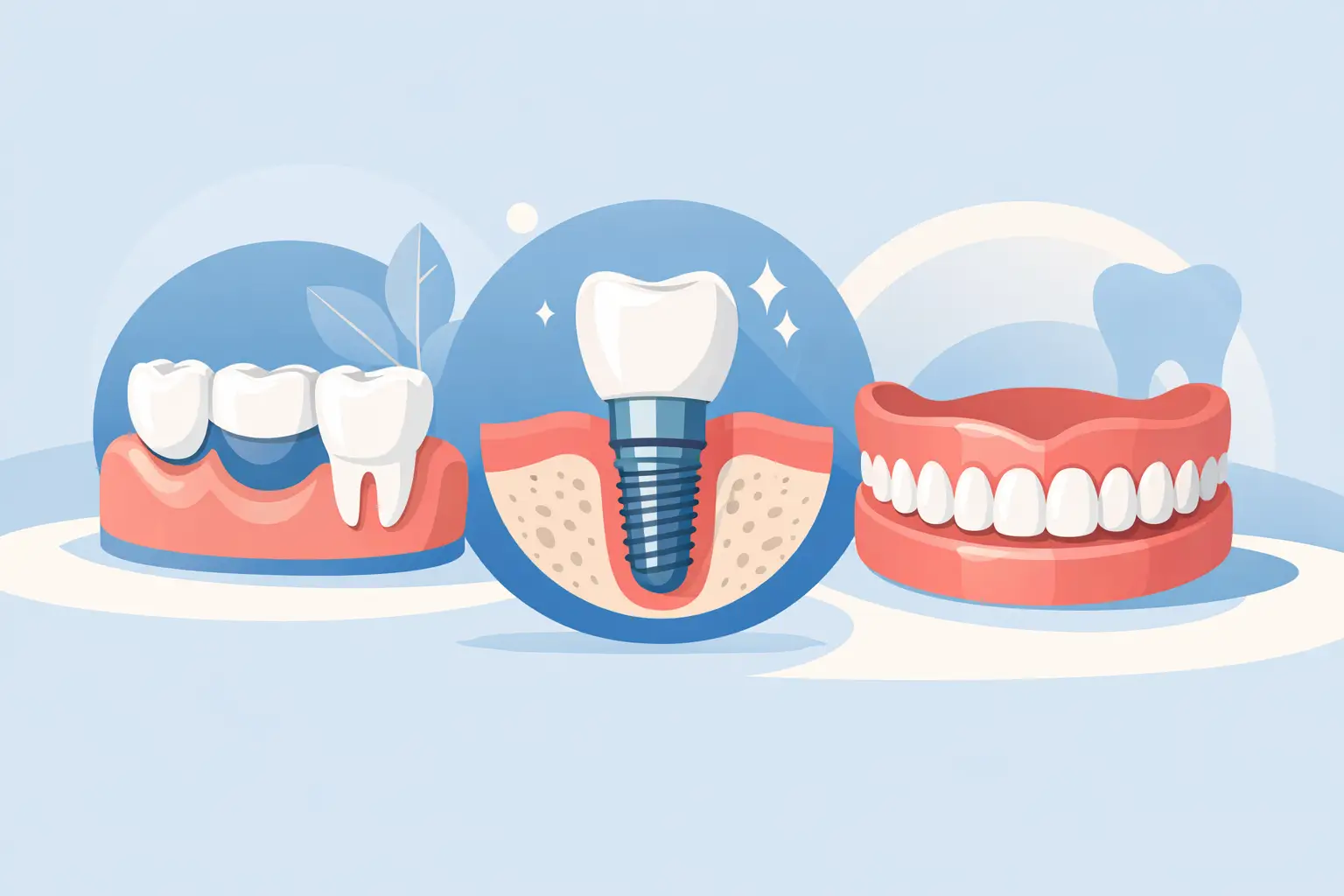
A missing tooth changes more than a photograph. It can shift chewing pressure onto nearby teeth, affect speech, allow neighboring teeth to drift, and gradually reduce the bone that once supported the tooth root. The best options for missing teeth are not the same for every patient because the right choice depends on your oral health, bone levels, bite, goals, and the number and location of teeth involved.
For patients in Encinitas, Carlsbad, Vista, and surrounding North County San Diego communities, the most durable answer often begins with a careful periodontal and implant evaluation. Replacing a tooth is important, but preparing the gums and bone to support that replacement is what helps protect the result over time.
The Best Options for Missing Teeth Begin With a Diagnosis
Before choosing a replacement, a specialist should determine why the tooth was lost or needs to be removed. Gum disease, fracture, decay, failed root canal treatment, trauma, and an infected or failing implant each raise different concerns. If periodontal disease is active, placing a restoration without first controlling infection can put the new treatment at risk.
A comprehensive exam evaluates the health of the gums, the amount and quality of available bone, the condition of adjacent teeth, the bite, and the appearance of the smile. Advanced imaging can show details that are not visible on a traditional X-ray, including bone width and the location of important anatomical structures.
In some cases, the best option is not extraction at all. A compromised tooth may be saved with periodontal therapy, regeneration, or other treatment. Preserving a healthy natural tooth is generally preferable when its long-term outlook is favorable. When replacement is necessary, however, thoughtful planning creates a clearer path forward.
Dental Implants: A Standalone Replacement With Strong Support
For a single missing tooth, a dental implant is often considered the closest replacement to a natural tooth. An implant is a small biocompatible post placed in the jawbone to serve as an artificial root. After it integrates with the bone, it supports a custom crown designed to blend with the surrounding teeth.
Unlike a conventional bridge, an implant does not require reshaping the healthy teeth beside the gap. It also restores stimulation to the jawbone, which can help limit the bone loss that commonly follows tooth loss. Patients often appreciate that an implant crown looks, feels, and functions like an individual tooth.
That does not mean implants are automatically right for everyone. Successful treatment requires healthy gums, adequate bone, and a commitment to ongoing professional care and daily hygiene. Smoking, uncontrolled diabetes, active gum disease, grinding, and certain medical conditions can affect healing or long-term stability. These factors do not always rule out implants, but they must be managed carefully.
When bone has been lost after an extraction or years of wearing a removable appliance, bone grafting may be recommended before or at the time of implant placement. Soft-tissue grafting may also improve gum thickness and aesthetics in visible areas. This additional treatment can lengthen the process, but it may provide a more stable and natural-looking result.
Immediate Implants and Same-Day Teeth
Some patients can receive an implant on the same day a tooth is extracted. Others benefit from a period of healing and grafting before placement. The decision is based on infection, bone condition, gum tissue, bite forces, and the ability to achieve initial implant stability.
A temporary tooth may sometimes be placed during healing, especially in the smile zone. “Same-day” can be convenient, but it should never take priority over a predictable foundation. Precision planning is more valuable than rushing a treatment timeline.
Implant-Supported Bridges for Several Missing Teeth
When several teeth in a row are missing, an implant-supported bridge can replace them without placing an implant for every individual tooth. Two or more implants support a fixed bridge, distributing chewing forces while avoiding the need to involve healthy natural teeth.
This approach may be an excellent option when the teeth adjacent to the gap are healthy or when a conventional bridge would span a large space. It is fixed in place, so it does not need to be removed for cleaning. Patients clean around and beneath it with specially recommended brushes, flossing tools, or water flossers.
The trade-off is that implant-supported bridges require sufficient bone and a surgical procedure. They also demand consistent maintenance. Like natural teeth, implants can develop inflammatory disease if plaque accumulates below the gumline. Regular periodontal monitoring is essential to identify early changes before they threaten the supporting bone.
Full-Arch Implant Solutions for Extensive Tooth Loss
For patients missing all or most teeth in an upper or lower arch, a full-arch implant restoration may offer a significant improvement in comfort and stability. A fixed full-arch bridge is supported by strategically placed implants and is designed to stay in place. It can restore stronger chewing ability and eliminate many of the limitations associated with a loose denture.
All-on-4 treatment is one established full-arch approach. By angling posterior implants, it may allow certain patients with reduced bone volume to receive a fixed restoration without extensive grafting. It is not a one-size-fits-all solution. Bone quality, anatomy, bite, hygiene ability, and the health of any remaining teeth all influence whether it is appropriate.
A fixed full-arch restoration involves a meaningful investment of time, planning, and financial resources. It also requires ongoing maintenance appointments and at-home care. The restoration may need periodic professional removal for cleaning and inspection, depending on its design. Patients who understand these responsibilities are better positioned to enjoy a lasting result.
Implant-Retained Dentures: More Security With Removability
An implant-retained denture is a removable denture that connects to implants for improved retention. It may snap into place with attachments or be secured with a bar. Compared with a traditional denture, it can reduce slipping, improve confidence while speaking, and make eating more comfortable.
For many patients, especially those struggling with a lower denture that moves, this is a practical and life-changing option. It can also be more affordable than a fixed full-arch bridge while still using implants to support the jawbone.
Because the appliance is removable, it must be taken out daily for cleaning. Attachments, inserts, and dentures can wear over time and need maintenance. For patients who prefer the feeling of fixed teeth, an implant-supported fixed bridge may be a better fit. For those who value easier cleaning, a removable implant-retained denture can be an excellent balance of function and cost.
Traditional Bridges and Removable Partial Dentures
A conventional dental bridge replaces a missing tooth by attaching a false tooth to crowns placed on the teeth beside the gap. It can be a reliable choice when neighboring teeth already need crowns, when implant surgery is not advisable, or when a patient needs a faster non-surgical solution.
Its main limitation is that the adjacent teeth must be prepared to support it. A bridge also does not stimulate the bone in the missing-tooth area, so bone shrinkage can continue beneath the false tooth. With excellent hygiene and proper design, a bridge can serve well for many years, but cleaning underneath it requires care.
A removable partial denture fills one or more gaps and is taken out for cleaning. It can be an appropriate transitional option after extractions, a lower-cost solution, or a choice for patients who are not candidates for surgery. Modern partials can look natural, but they may feel bulkier than fixed options and can place pressure on supporting teeth and gums.
Choosing a Treatment That Protects Your Future Smile
The best treatment is not simply the newest option or the fastest one. It is the one that respects the biology of your mouth and gives you the most predictable long-term function. That may mean treating gum disease first, rebuilding bone, replacing one tooth with an implant, or choosing a removable solution that fits your medical needs and budget.
At Bita Farhoumand, DDS, treatment planning is centered on the supporting structures that make tooth replacement successful: healthy gums, stable bone, balanced bite forces, and precise implant placement. A board-certified periodontist can help clarify whether an implant, bridge, denture, or tooth-saving treatment offers the strongest outlook for your specific situation.
If you have been living around a missing tooth, struggling with a loose denture, or told that an extraction is inevitable, a specialist evaluation can replace uncertainty with a plan built for comfort, health, and lasting confidence.
Quick Links
Helpful Articles
article_category: products
article_category: psychiatry
article_category: faqs
article_category: cats
article_category: general
article_category: services
article_category: technology
article_category: dogs
article_category: restorative
article_category: vision therapy
article_category: contact lenses
article_category: health
article_category: conditions
article_category: eye surgery co-management
article_category: exotic
article_category: cosmetic
article_category: surgical procedures
article_category: aesthetics
article_category: preventative
article_category: ocular disease management
article_category: eyeglasses
article_category: eye health
article_category: large animal
[]
article_category: psychiatry
article_category: faqs
article_category: cats
article_category: general
article_category: services
article_category: technology
article_category: dogs
article_category: restorative
article_category: vision therapy
article_category: contact lenses
article_category: health
article_category: conditions
article_category: eye surgery co-management
article_category: exotic
article_category: cosmetic
article_category: surgical procedures
article_category: aesthetics
article_category: preventative
article_category: ocular disease management
article_category: eyeglasses
article_category: eye health
article_category: large animal
[]
Flowbite is an open-source library of interactive components built on top of Tailwind CSS including buttons, dropdowns, modals, navbars, and more.
Check out this guide to learn how to get started and start developing websites even faster with components on top of Tailwind CSS.
All Dental Services
We offer a wide variety of dental services to the Encinitas community. Contact us with any questions about our services.

Keep In Touch
For non-urgent questions or to learn more about our services, contact us today!
© 2026 Bita Farhoumand, DDS. All rights Reserved - Accessibility Statement - Privacy Policy - Sitemap
Managed and Designed by 