
Can a Failing Implant Be Saved? Your Options
Blog:Can a Failing Implant Be Saved? Your Options
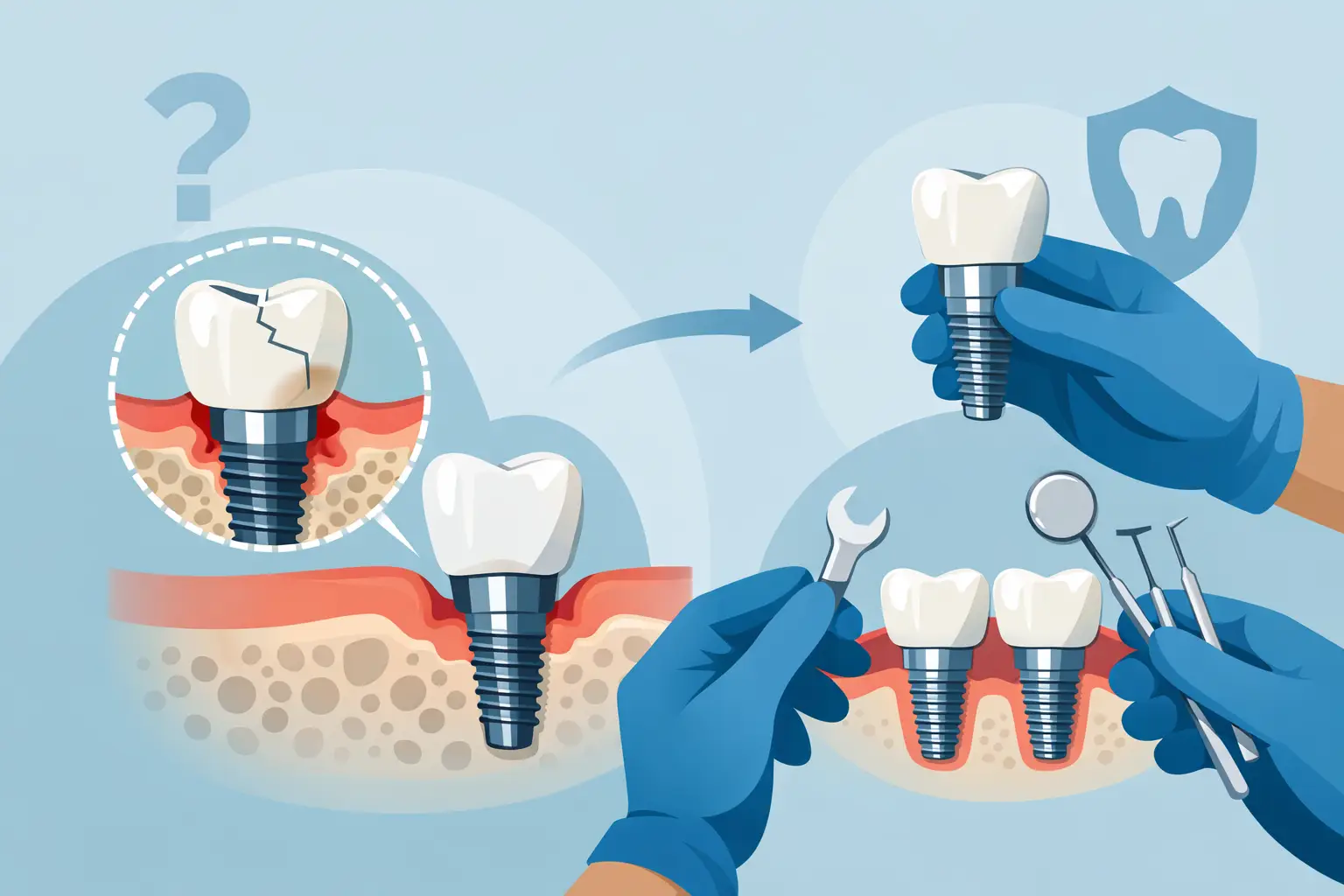
A dental implant should feel secure, comfortable, and almost forgettable. When it becomes tender, loose, swollen, or difficult to chew on, it can be alarming - especially after the time and investment involved. The encouraging answer to the question, can a failing implant be saved, is often yes, but successful treatment depends on identifying the cause early and addressing it with the right level of care.
Not every implant concern means the implant itself has failed. In some cases, the crown or connecting screw is loose while the implant remains healthy and stable in the bone. In others, inflammation or infection has begun to damage the gum and bone supporting the implant. These situations require very different solutions, which is why a thorough periodontal evaluation is the first and most important step.
What Does a Failing Dental Implant Look Like?
Implants do not develop cavities, but the tissue and bone around them can become inflamed or infected. This condition is called peri-implant disease. It often develops quietly, which is one reason routine maintenance visits matter even when an implant looks and feels fine.
Early inflammation around an implant is known as peri-implant mucositis. The gums may appear red, puffy, or prone to bleeding during brushing or flossing, but there may not yet be measurable bone loss. At this stage, professional cleaning, improved home care, and correction of contributing factors can often restore healthier tissue.
When inflammation progresses and bone support begins to disappear, it is called peri-implantitis. This is more serious, but it does not automatically mean removal is necessary. A periodontist will assess how much bone has been lost, whether the implant is stable, where the infection is located, and whether the implant can be accessed and effectively decontaminated.
Warning signs worth acting on promptly include bleeding or pus around the implant, persistent bad taste or bad breath, gum recession that exposes implant components, pain when chewing, swelling, or a bite that suddenly feels different. Mobility is especially concerning. A stable implant should not move. However, what feels like movement may sometimes be a loose crown or screw, not a loose implant, and that distinction can only be made through an examination and imaging.
Can a Failing Implant Be Saved With Treatment?
Whether a compromised implant can be saved depends on the diagnosis, not on one symptom alone. The best outcomes usually occur when inflammation is treated before extensive bone loss develops. A specialist will examine the gums, measure tissue changes, review X-rays or 3D imaging when appropriate, evaluate the implant restoration, and look for the underlying reason the problem began.
If the implant itself is firmly integrated with the jawbone and bone loss is limited, treatment may focus on controlling infection and creating conditions that are easier to maintain. This can involve professional implant decontamination, removal of bacterial deposits, treatment of inflamed gum tissue, and changes to home-care techniques or maintenance intervals.
For more advanced peri-implantitis, surgical treatment may be recommended. The goal is to gain direct access to the affected area, thoroughly clean the implant surface, reduce infected tissue, and evaluate whether regenerative treatment is appropriate. In selected cases, bone grafting and regenerative materials may help rebuild lost support. Results depend on the defect shape, implant position, surface characteristics, oral hygiene, smoking status, bite forces, and overall health.
Laser-assisted care may also have a role in a carefully selected treatment plan. Advanced laser protocols, including LAPIP treatment for peri-implantitis, can be used to target diseased tissue and bacterial contamination with a minimally invasive approach. Laser therapy is not a substitute for a complete diagnosis, and it is not the right solution for every implant. It can, however, be a valuable option when used by a clinician with advanced periodontal and laser training.
Why Implants Begin to Fail
A failing implant is rarely the result of one isolated event. Often, several factors work together over time. Understanding those factors helps determine whether the implant can be retained and how to prevent the same problem from returning.
Plaque accumulation around the implant is a common contributor, particularly when the crown shape makes cleaning difficult. Gum disease history also matters. Patients who have experienced periodontitis are at a higher risk for inflammatory disease around implants and generally benefit from a tailored periodontal maintenance schedule.
The implant's position and restoration design can also affect long-term health. If an implant is placed at an angle that makes cleaning difficult, if cement becomes trapped beneath the gums, or if the crown leaves little room for effective flossing or interdental brushes, bacteria can accumulate in areas that are difficult to reach. A crown that receives excessive bite pressure can create mechanical complications, including screw loosening, porcelain fracture, or overload of the surrounding bone.
Smoking, uncontrolled diabetes, certain medications, clenching or grinding, and delayed follow-up care can further increase risk. None of these factors means an implant is destined to fail. They do mean that treatment must be individualized, and maintenance must be taken seriously after the implant is stabilized.
When Implant Removal Is the Healthier Choice
There are times when preserving an implant is no longer predictable or healthy. If the implant is mobile because it has lost integration with the bone, if infection has caused severe bone destruction, or if its position prevents proper cleaning and restoration, removal may offer the best path toward a stable long-term result.
Removal is not a defeat. It is a clinical decision made to stop infection, preserve as much remaining bone as possible, and create a better foundation for future treatment. After an implant is removed, the area may need time to heal. Bone grafting, soft-tissue grafting, or site development may be recommended before another implant is considered.
In some cases, a replacement implant is appropriate after healing and regeneration. In others, a bridge, removable implant-supported option, or a different restorative plan may better suit the patient's anatomy and goals. The right answer depends on the quality and quantity of remaining bone, neighboring teeth, bite forces, medical history, and the patient's ability to maintain the area over time.
What to Expect From a Specialist Evaluation
A specialist evaluation should provide clarity, not pressure. The appointment begins with listening to what has changed: bleeding, discomfort, looseness, altered chewing, or an implant that simply does not feel right. A clinical examination and imaging help reveal what cannot be seen at the gumline.
The treatment discussion should distinguish between a mechanical problem and a biologic one. A loose screw may be corrected relatively simply. Peri-implant mucositis may respond to focused non-surgical care. Bone loss from peri-implantitis may call for surgical decontamination and regenerative treatment. If removal is advised, you should understand why it is the most responsible option and what can be done to rebuild the site.
At Bita Farhoumand, DDS, care for failing implants is guided by board-certified periodontal expertise, advanced diagnostic technology, and an emphasis on preserving healthy tissue whenever possible. For patients who feel anxious about treatment, comfort measures and sedation options can help make advanced care feel more manageable.
Protecting an Implant After Treatment
Saving an implant is only the first phase. Long-term success depends on keeping bacterial inflammation under control and reducing avoidable mechanical stress. That typically means professional periodontal maintenance at intervals based on your individual risk, along with daily cleaning that reaches beneath and around the implant crown.
Your care team may recommend a soft toothbrush, implant-safe interdental brushes, water flossing, or other tools based on the design and location of your restoration. If grinding is a concern, a nightguard may protect the implant and surrounding teeth from excessive force. Just as importantly, do not wait for pain. Peri-implant disease can progress with little discomfort until bone loss is already significant.
If your implant is bleeding, swollen, loose, or uncomfortable, seek an evaluation soon. Early, precision-focused care offers the best opportunity to control disease, protect your bone, and make a thoughtful decision about the future of your smile.
Quick Links
Helpful Articles
article_category: products
article_category: psychiatry
article_category: faqs
article_category: cats
article_category: general
article_category: services
article_category: technology
article_category: dogs
article_category: restorative
article_category: vision therapy
article_category: contact lenses
article_category: health
article_category: conditions
article_category: eye surgery co-management
article_category: exotic
article_category: cosmetic
article_category: surgical procedures
article_category: aesthetics
article_category: preventative
article_category: ocular disease management
article_category: eyeglasses
article_category: eye health
article_category: large animal
[]
article_category: psychiatry
article_category: faqs
article_category: cats
article_category: general
article_category: services
article_category: technology
article_category: dogs
article_category: restorative
article_category: vision therapy
article_category: contact lenses
article_category: health
article_category: conditions
article_category: eye surgery co-management
article_category: exotic
article_category: cosmetic
article_category: surgical procedures
article_category: aesthetics
article_category: preventative
article_category: ocular disease management
article_category: eyeglasses
article_category: eye health
article_category: large animal
[]
Flowbite is an open-source library of interactive components built on top of Tailwind CSS including buttons, dropdowns, modals, navbars, and more.
Check out this guide to learn how to get started and start developing websites even faster with components on top of Tailwind CSS.
All Dental Services
We offer a wide variety of dental services to the Encinitas community. Contact us with any questions about our services.

Keep In Touch
For non-urgent questions or to learn more about our services, contact us today!
© 2026 Bita Farhoumand, DDS. All rights Reserved - Accessibility Statement - Privacy Policy - Sitemap
Managed and Designed by 