
Can Loose Teeth Be Saved? Treatment Options
Blog:Can Loose Teeth Be Saved? Treatment Options
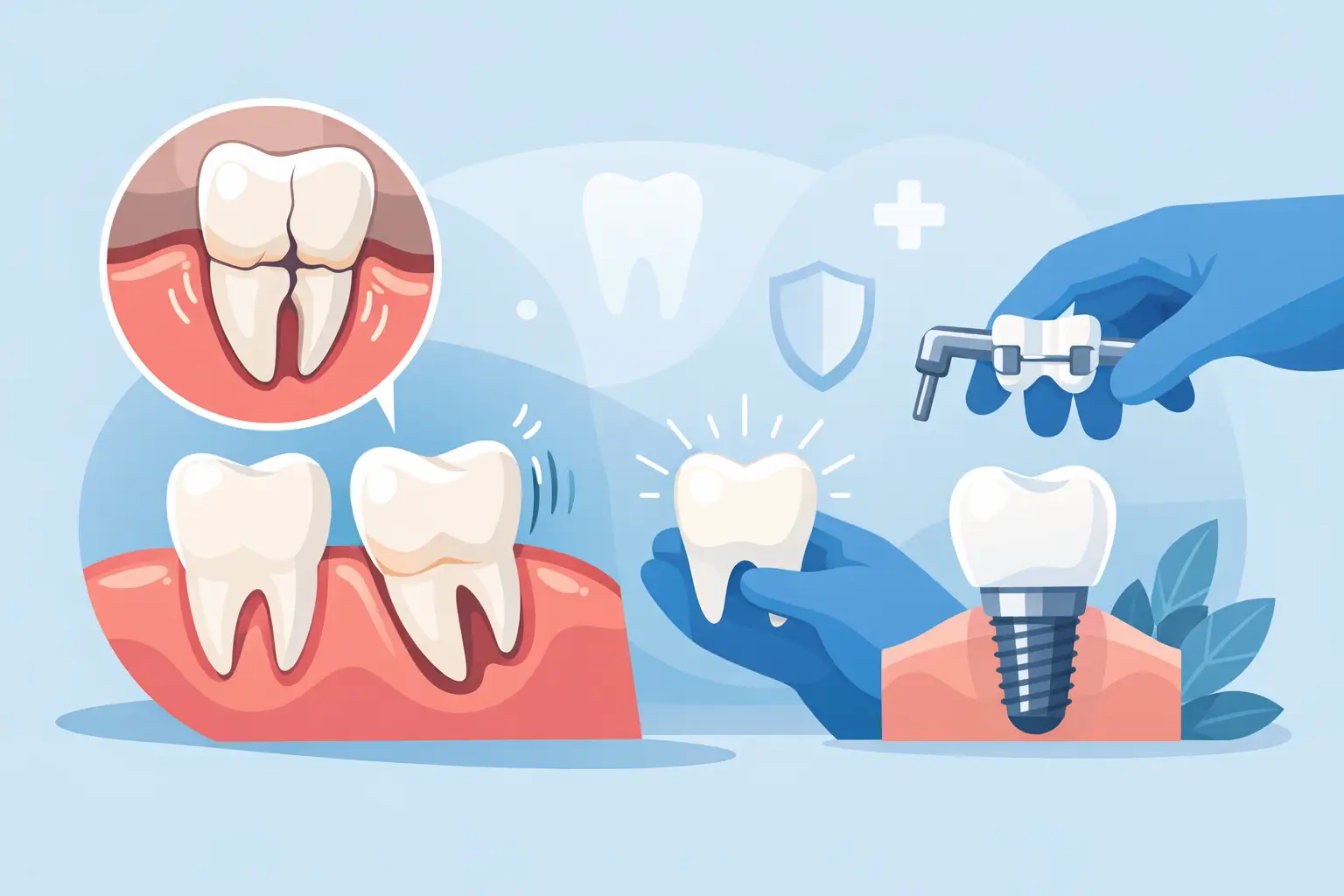
A tooth that moves when you bite, brush, or touch it can make every meal feel uncertain. The question, “can loose teeth be saved,” has no one-size-fits-all answer, but a loose tooth is not automatically a lost tooth. In many cases, prompt periodontal care can control the cause of mobility, protect remaining bone, and help preserve a natural tooth for years.
The key is determining why the tooth is loose and how much supporting tissue remains. Teeth are held in place by gum tissue, periodontal ligament fibers, and the jawbone. When disease, infection, trauma, or bite pressure damages those structures, the tooth can become mobile. A specialist evaluation provides the information needed to decide whether saving the tooth is predictable or whether replacement would better protect your long-term oral health.
Can Loose Teeth Be Saved When Gum Disease Is Involved?
Gum disease is one of the most common reasons adults develop loose teeth. Periodontal infection begins below the gumline, where bacteria trigger inflammation that gradually destroys the bone and connective tissues supporting the teeth. Because this process can be painless in its earlier stages, many people do not realize there is a problem until they notice bleeding gums, recession, bad breath, spaces between teeth, or movement.
Whether a tooth can be saved depends largely on the extent and pattern of bone loss. A tooth with mild to moderate mobility may stabilize once the infection is treated and damaging bite forces are addressed. Even some teeth that appear concerning at first can become more comfortable and functional after thorough periodontal therapy.
However, advanced bone loss can limit what treatment can realistically accomplish. If a tooth has lost most of its attachment, has a deep fracture, or continues to move despite infection control, retaining it may not be the healthiest choice. Keeping a severely compromised tooth too long can allow infection to progress and make future implant treatment or reconstruction more complex.
This is why a careful diagnosis matters more than a quick answer. A board-certified periodontist evaluates gum measurements, X-rays or 3D imaging when appropriate, bite forces, root shape, cracks, and the condition of neighboring teeth. The goal is not simply to keep a tooth at any cost. It is to preserve healthy, stable function whenever possible.
What Can Make a Tooth Loose?
Not all loose teeth have the same cause. Periodontal disease is common, but it is only one possibility. A tooth can also loosen after an injury, from clenching or grinding, because of an uneven bite, or when a large cavity or failing restoration weakens the tooth structure.
An abscess or infection at the tip of the root can create tenderness and mobility. In other cases, a cracked root may mimic the symptoms of gum disease but carry a much less favorable prognosis. Teeth can also shift or loosen when a missing tooth has changed the way the remaining teeth absorb chewing forces.
Pregnancy-related hormonal changes and certain medical conditions can make gums more inflamed, but they do not by themselves cause permanent tooth mobility in healthy supporting bone. If you notice a tooth moving, it deserves professional attention rather than an assumption that it will settle on its own.
Treatment Depends on What the Tooth Needs
Successful treatment starts by removing the source of inflammation and creating conditions that allow the supporting tissues to heal. For periodontal disease, this may begin with scaling and root planing, a precise deep cleaning that removes bacterial deposits from below the gumline and smooths root surfaces.
For deeper periodontal pockets, laser-assisted treatment such as LANAP may be considered for appropriate patients. This advanced laser protocol is designed to target diseased tissue and bacteria while supporting a more comfortable healing experience. It is not a substitute for diagnosis or good home care, but it can be a valuable part of a personalized periodontal treatment plan.
When bone loss is localized around a tooth, regenerative procedures may offer an opportunity to rebuild some of the lost support. Bone grafting, guided tissue regeneration, and soft-tissue procedures are selected based on the defect’s shape, the tooth’s root anatomy, and the overall health of the gums. Regeneration can be highly beneficial in the right situation, though it cannot recreate support predictably around every compromised tooth.
If clenching, grinding, or an unstable bite is contributing to movement, reducing excessive force is essential. This may involve bite adjustment, a protective nightguard, orthodontic planning, or temporary splinting. A splint joins a mobile tooth to neighboring stable teeth so it can function more comfortably during healing. It can be useful, but splinting alone does not cure gum disease or repair a fractured root.
Some patients also benefit from prescription periodontal trays, such as Perio Protect, as part of an ongoing plan to manage bacteria in periodontal pockets. The right approach depends on your clinical findings, not on a single treatment advertised as a universal fix.
Signs You Should Not Wait
Mobility can worsen quickly when active infection is present. Contact a dental professional promptly if a tooth suddenly becomes loose, feels painful when biting, develops swelling or drainage, or is changing position. An injury that knocks a tooth loose should be treated urgently, particularly if the tooth has shifted, feels higher than the surrounding teeth, or is associated with bleeding.
Avoid testing the tooth repeatedly with your finger or tongue. That can increase irritation and does not reveal whether the tooth is salvageable. Until you are evaluated, choose softer foods, chew on the opposite side when possible, and maintain gentle but thorough brushing and flossing as directed by your dental professional.
When Extraction May Be the Better Choice
A recommendation for extraction can feel discouraging, especially when you have had the tooth for decades. Yet removing a tooth is sometimes the most conservative decision for your overall health. A tooth with a vertical root fracture, uncontrolled infection, severe mobility, or insufficient remaining bone may not have a predictable future even with advanced treatment.
The trade-off deserves an honest discussion. Attempting to save a borderline tooth may be reasonable when its prognosis is fair and the treatment can preserve comfortable function. But repeated procedures on a tooth with a poor prognosis can mean continued discomfort, ongoing expense, and further loss of bone that could have supported a future replacement.
When extraction is necessary, modern replacement options can restore both appearance and chewing function. Dental implants are often an excellent option when there is adequate bone and the gums are healthy. If bone or soft tissue has been lost, grafting may be recommended before or at the time of implant placement to create a stronger foundation. For patients missing several teeth, implant-supported bridges, implant dentures, or full-arch solutions may be appropriate.
At Bita Farhoumand, DDS, treatment planning centers on precision care at every level: protecting natural teeth with a favorable prognosis, treating disease at its source, and recommending replacement only when it offers the more reliable long-term path.
How to Protect Teeth That Still Have Support
Once mobility has been addressed, maintenance is what helps protect the result. Periodontal disease is manageable, but it requires consistent care because the bacteria that cause it can return. Regular periodontal maintenance visits allow the care team to monitor pocket depths, inflammation, bite changes, and early signs of recurring disease before they threaten more bone.
At home, use a soft toothbrush and clean carefully along the gumline. Interdental brushes, floss, water flossers, or other tools may be recommended based on the spaces between your teeth and the type of dental work you have. Smoking cessation, diabetes management, and addressing nighttime grinding can also make a meaningful difference in healing and stability.
A loose tooth is a warning sign, not a diagnosis. The earlier its cause is identified, the more options may be available to preserve your smile. A thoughtful specialist evaluation can replace uncertainty with a clear plan that prioritizes comfort, function, and the health of the bone and gums that support every tooth.
Quick Links
Helpful Articles
article_category: products
article_category: psychiatry
article_category: faqs
article_category: cats
article_category: general
article_category: services
article_category: technology
article_category: dogs
article_category: restorative
article_category: vision therapy
article_category: contact lenses
article_category: health
article_category: conditions
article_category: eye surgery co-management
article_category: exotic
article_category: cosmetic
article_category: surgical procedures
article_category: aesthetics
article_category: preventative
article_category: ocular disease management
article_category: eyeglasses
article_category: eye health
article_category: large animal
[]
article_category: psychiatry
article_category: faqs
article_category: cats
article_category: general
article_category: services
article_category: technology
article_category: dogs
article_category: restorative
article_category: vision therapy
article_category: contact lenses
article_category: health
article_category: conditions
article_category: eye surgery co-management
article_category: exotic
article_category: cosmetic
article_category: surgical procedures
article_category: aesthetics
article_category: preventative
article_category: ocular disease management
article_category: eyeglasses
article_category: eye health
article_category: large animal
[]
Flowbite is an open-source library of interactive components built on top of Tailwind CSS including buttons, dropdowns, modals, navbars, and more.
Check out this guide to learn how to get started and start developing websites even faster with components on top of Tailwind CSS.
All Dental Services
We offer a wide variety of dental services to the Encinitas community. Contact us with any questions about our services.

Keep In Touch
For non-urgent questions or to learn more about our services, contact us today!
© 2026 Bita Farhoumand, DDS. All rights Reserved - Accessibility Statement - Privacy Policy - Sitemap
Managed and Designed by 