
Dental Implants: What Determines Lasting Success
Blog:Dental Implants: What Determines Lasting Success
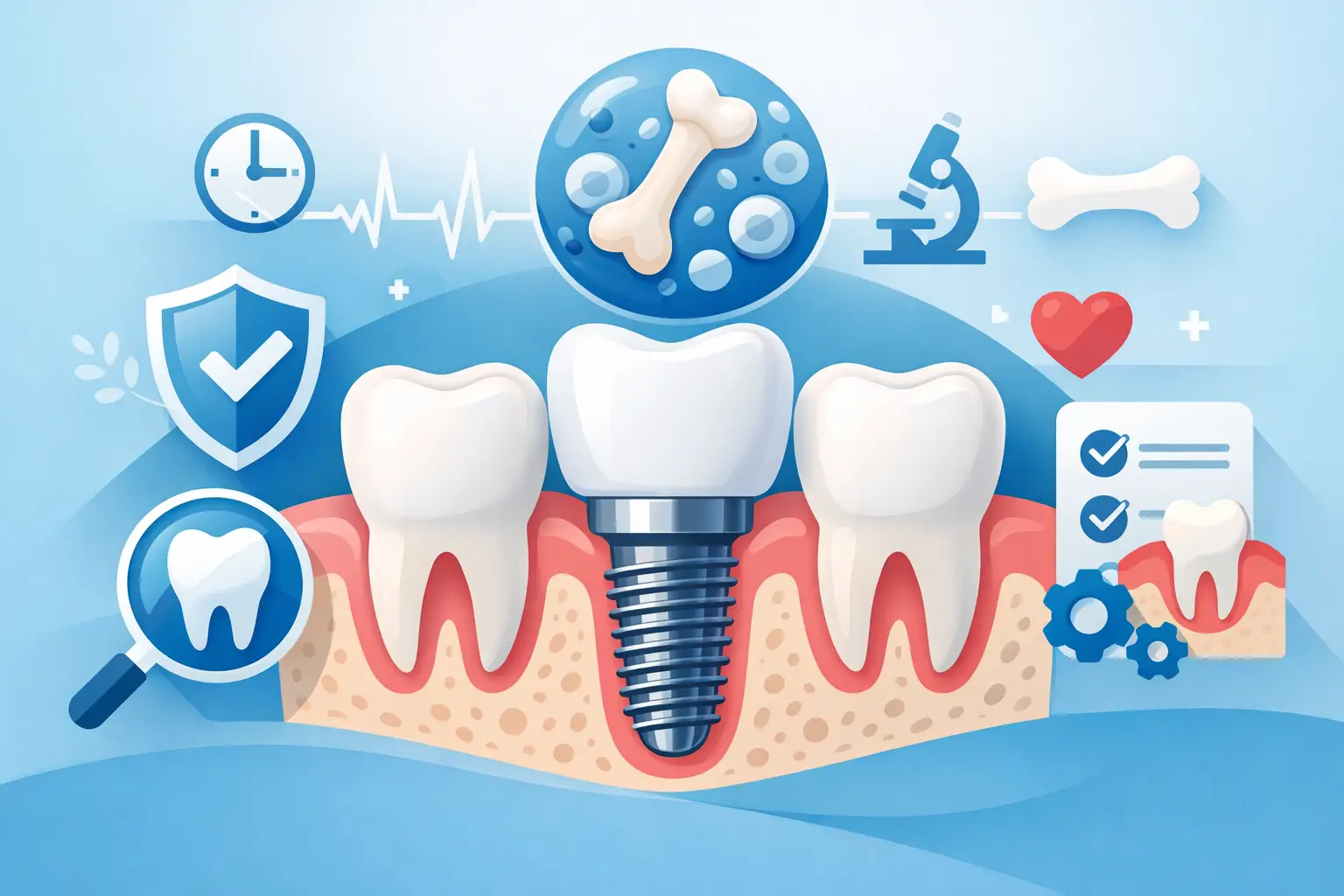
A missing tooth changes more than a smile. It can affect how you chew, how clearly you speak, and how confidently you eat in public. Over time, the bone beneath that space can also shrink, making future tooth replacement more complex. Dental implants are designed to replace the root of a missing tooth, helping restore stable function while supporting the bone and gum tissue around the area.
For many patients, an implant can be the closest replacement to a natural tooth. But lasting success is not simply a matter of placing a titanium post. It depends on careful diagnosis, healthy tissues, precise surgical planning, and the habits that protect the result for years to come.
How Dental Implants Replace Missing Teeth
A dental implant is a small biocompatible post placed in the jawbone where a tooth root is missing. Once it heals and integrates with the bone, it can support a custom crown, bridge, or full-arch restoration. Unlike a removable appliance, an implant-supported restoration is fixed in place and does not rely on neighboring teeth for support.
The treatment is generally completed in phases. First comes a detailed evaluation of your teeth, gums, bite, and bone structure. If an unhealthy tooth must be removed, the site may need time to heal or may be prepared for implant placement at the same visit, depending on the condition of the tissue and the stability available.
After implant placement, the bone needs time to heal closely around the implant. This process, called osseointegration, creates the stable foundation needed for a final restoration. Your general dentist may then create and place the visible crown or restoration, while the periodontist manages the surgical and tissue-health aspects of treatment. The exact sequence is individualized. There is no single timeline that is right for every patient.
Why the Foundation Matters for Dental Implants
An implant is only as healthy as the bone and gum tissue supporting it. This is why advanced planning matters, especially for patients who have had a tooth missing for years, have experienced gum disease, or have been told they have bone loss.
When a natural tooth is lost, the jawbone no longer receives the stimulation created by chewing through that root. Bone volume can gradually diminish. In some cases, there is still enough bone for an implant. In others, a bone graft may be recommended to rebuild a more stable foundation before or at the time of implant placement.
Healthy gum tissue is equally essential. Periodontal disease is an infection and inflammation of the tissues that support the teeth. If it remains active, it can compromise surrounding teeth and raise the risk of inflammation around an implant. Addressing gum disease before implant treatment is not a delay for its own sake. It is an investment in a safer, more predictable result.
Soft-tissue grafting may also be appropriate when the gum tissue is thin or has receded. Strong, well-positioned gum tissue can improve comfort, make cleaning easier, and help protect the implant from plaque accumulation and mechanical irritation.
Not Every Patient Needs the Same Treatment Plan
Patients often ask whether they are candidates for implants, but candidacy is not a simple yes-or-no question. Many people who have been told they lack enough bone, have gum disease, or need multiple teeth replaced can still be treated successfully with the right preparation and specialty care.
A thorough evaluation considers the location of missing teeth, the condition of adjacent teeth, the height and width of available bone, sinus position in the upper jaw, bite forces, medical history, and smoking or vaping habits. Advanced imaging can provide a three-dimensional view of the jaw, helping the surgical team plan implant position with precision and avoid important anatomical structures.
For a single missing tooth, an implant-supported crown can preserve the neighboring teeth because they do not need to be reshaped for a traditional bridge. For several missing teeth, implants may support a bridge without requiring an implant for every individual tooth. Patients missing most or all teeth may be candidates for implant-supported dentures or full-arch options such as All-on-4 treatment.
The best option depends on your health, anatomy, goals, budget, and desired maintenance routine. A responsible recommendation should explain both what is possible and what is most predictable for your individual situation.
The Role of a Periodontal and Implant Specialist
Implant treatment involves more than selecting an implant and placing it in bone. The gums, bone, bite, esthetic zone, and long-term cleanability all require attention. This is particularly important when a tooth is being replaced in the visible smile area, when bone has receded, or when an existing implant is failing.
A board-certified periodontist has advanced specialty training focused on the tissues that support teeth and implants. That includes periodontal disease treatment, bone regeneration, soft-tissue grafting, and implant surgery. For patients with complex needs, specialty evaluation can clarify whether an implant site needs regeneration, whether a compromised tooth can be saved, or whether a failing implant can be treated rather than immediately removed.
At Bita Farhoumand, DDS, treatment planning is centered on precision care at every level. The goal is not merely to fill a space, but to create a restoration that is functional, maintainable, and supported by healthy tissue.
What Implant Surgery and Recovery Can Feel Like
Fear of oral surgery is understandable, particularly for patients who have had difficult dental experiences in the past. Modern implant care is carefully planned to reduce unnecessary trauma and support a more comfortable recovery. Local anesthesia is used to keep the treatment area numb, and sedation options may be available for patients who feel anxious or require more extensive care.
After surgery, mild swelling, tenderness, or bruising can occur. Many patients manage these symptoms with prescribed or over-the-counter medication as directed, along with a modified diet for the first several days. The extent of recovery depends on the number of implants placed, whether extraction or grafting was performed, and your individual healing response.
Following post-operative instructions closely matters. This may include keeping the site clean as directed, avoiding pressure on the surgical area, eating softer foods temporarily, and attending follow-up visits. Healing is not a passive waiting period. It is an active part of treatment that protects the foundation for your final restoration.
Long-Term Care Protects Your Investment
Dental implants do not decay like natural teeth, but they still require consistent care. Plaque can collect around implant crowns and beneath bridges, causing inflammation in the surrounding tissue. When this inflammation progresses, it may lead to peri-implant disease, including bone loss around the implant.
Daily brushing, cleaning between teeth or beneath implant bridges, and regular professional maintenance are essential. Your home-care tools may differ depending on the type of restoration you have. Some patients benefit from interdental brushes, water flossers, floss threaders, or other devices recommended for their specific restoration.
Regular periodontal evaluations are especially important for patients with a history of gum disease. Early inflammation around an implant can sometimes be managed before it becomes more serious. Waiting until an implant feels loose, hurts, or develops visible recession can make treatment more complicated.
Smoking and vaping can also interfere with healing and increase the risk of complications. If you use nicotine, discussing cessation or reduction before treatment is one of the most meaningful steps you can take for your oral and overall health.
Questions Worth Asking Before You Move Forward
Implant treatment should feel clear, not rushed. Ask who will perform the surgical phase, whether you need gum or bone treatment first, how your bite will be evaluated, and what maintenance will be expected after your restoration is complete. It is also reasonable to ask about alternatives, anticipated treatment stages, and what factors could affect your timeline.
The right plan should account for more than the missing tooth you can see. It should protect the health of your gums, preserve available bone, and give you a result that fits comfortably into daily life. When dental implants are planned around the whole foundation, they can offer a durable, natural-feeling path back to eating, speaking, and smiling with greater confidence.
Quick Links
Helpful Articles
article_category: products
article_category: psychiatry
article_category: faqs
article_category: cats
article_category: general
article_category: services
article_category: technology
article_category: dogs
article_category: restorative
article_category: vision therapy
article_category: contact lenses
article_category: health
article_category: conditions
article_category: eye surgery co-management
article_category: exotic
article_category: cosmetic
article_category: surgical procedures
article_category: aesthetics
article_category: preventative
article_category: ocular disease management
article_category: eyeglasses
article_category: eye health
article_category: large animal
[]
article_category: psychiatry
article_category: faqs
article_category: cats
article_category: general
article_category: services
article_category: technology
article_category: dogs
article_category: restorative
article_category: vision therapy
article_category: contact lenses
article_category: health
article_category: conditions
article_category: eye surgery co-management
article_category: exotic
article_category: cosmetic
article_category: surgical procedures
article_category: aesthetics
article_category: preventative
article_category: ocular disease management
article_category: eyeglasses
article_category: eye health
article_category: large animal
[]
Flowbite is an open-source library of interactive components built on top of Tailwind CSS including buttons, dropdowns, modals, navbars, and more.
Check out this guide to learn how to get started and start developing websites even faster with components on top of Tailwind CSS.
All Dental Services
We offer a wide variety of dental services to the Encinitas community. Contact us with any questions about our services.

Keep In Touch
For non-urgent questions or to learn more about our services, contact us today!
© 2026 Bita Farhoumand, DDS. All rights Reserved - Accessibility Statement - Privacy Policy - Sitemap
Managed and Designed by 