
Failing Dental Implant Symptoms You Shouldn't Ignore
Blog:Failing Dental Implant Symptoms You Shouldn't Ignore
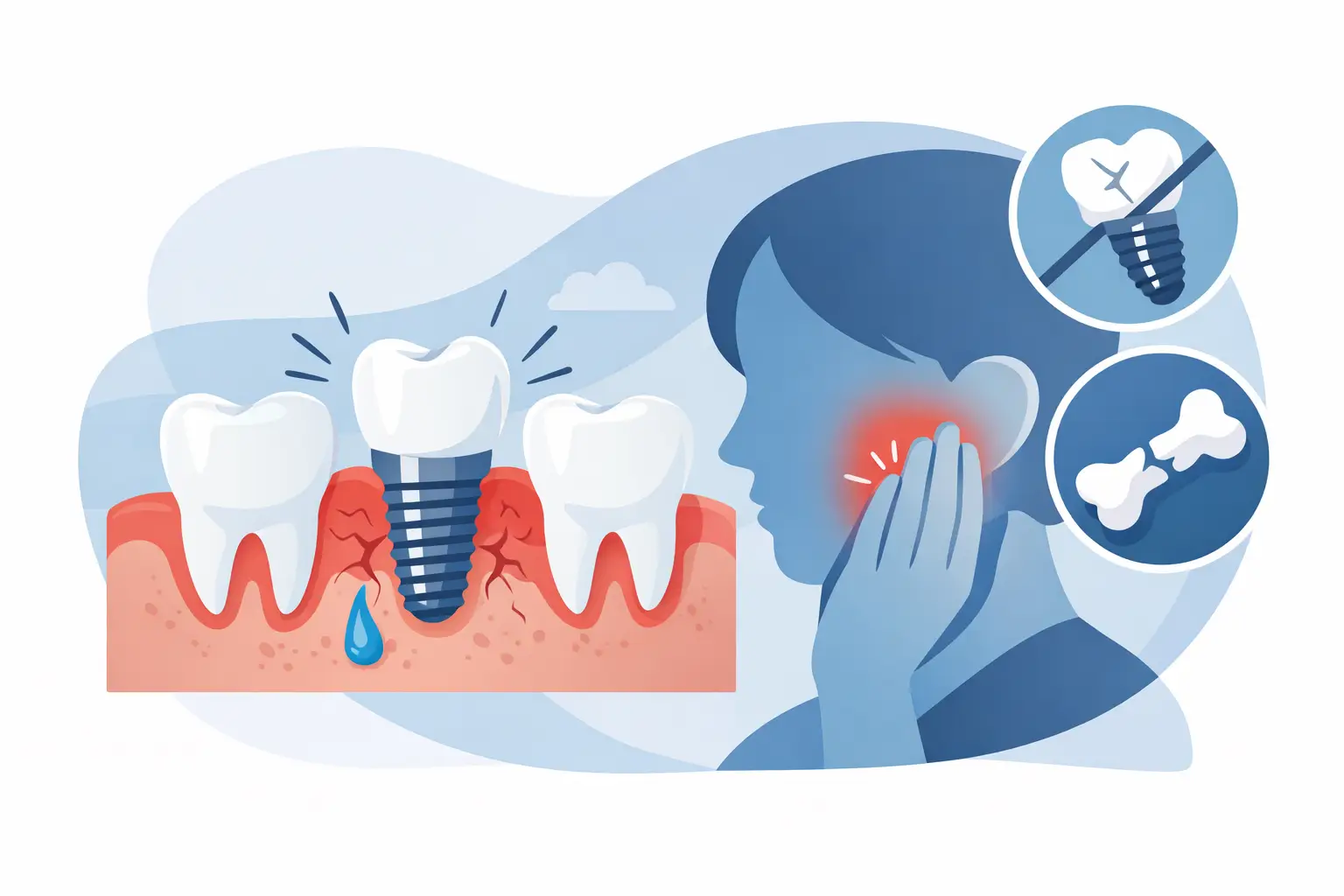
A dental implant should feel secure, comfortable, and much like a natural tooth in daily life. When chewing becomes uncomfortable, the gum tissue bleeds, or the implant feels different than it once did, those changes deserve attention. Failing dental implant symptoms can range from subtle inflammation to obvious looseness, and early evaluation can make a meaningful difference in protecting your oral health and treatment investment.
Dental implants do not develop cavities, but the gum and bone supporting them can become diseased. Problems may also involve the implant crown, connecting components, bite forces, or the implant itself. The key is not to wait for severe pain. Implant complications are often more treatable when identified before substantial bone loss occurs.
Failing Dental Implant Symptoms: What to Watch For
Some symptoms are easy to dismiss because they come and go. Others may be mistaken for normal sensitivity, especially if treatment was completed recently. An implant that has been stable for years, however, should not suddenly begin bleeding, aching, or feeling unstable.
Bleeding when brushing, flossing, or eating is one of the most common warning signs. Healthy tissue around an implant should not bleed regularly. Persistent redness, puffiness, tenderness, or a bad taste can also point to inflammation around the implant.
Pay attention to changes in how your teeth meet. A crown that feels high, clicks when you chew, or seems to shift may have a loose screw, a fractured component, or a bite imbalance. These are not always signs that the implant has failed, but they require professional assessment before excess force damages the supporting bone or restoration.
The symptoms that most warrant prompt attention include:
Bleeding, swollen, or receding gum tissue around the implant
Pus, drainage, a persistent bad taste, or bad breath near the implant site
Pain when biting, pressure sensitivity, or discomfort that is worsening
A loose-feeling crown, implant, or nearby bridge
Visible metal, a lengthening appearance, or gum tissue pulling away
Difficulty chewing on a side that was previously comfortable
A loose crown is different from a loose implant. In some cases, the crown or abutment screw has loosened while the implant remains firmly integrated with the bone. That can often be addressed without removing the implant. If the implant body itself moves, however, it may no longer be securely attached to the bone and needs timely specialty care.
Why Dental Implants Can Develop Problems
The most significant biological cause of implant failure is peri-implant disease. Peri-implant mucositis is inflammation limited to the soft tissue around an implant. Like gingivitis around natural teeth, it may be reversible when treated early. Peri-implantitis is more advanced: inflammation is accompanied by loss of the bone that holds the implant in place.
Bacterial buildup is often involved, but it is rarely the only factor. A history of gum disease, inadequate home care, missed maintenance visits, smoking or vaping, uncontrolled diabetes, clenching or grinding, and difficult-to-clean restoration designs can all raise the risk. An implant may also be affected by limited bone volume, poor positioning, or forces that exceed what the restoration can comfortably support.
Not every implant problem is caused by infection. Mechanical complications can include a loose screw, chipped porcelain, worn denture attachments, or a fractured implant component. These concerns can be serious, but they often have a different treatment path than bone loss or active infection. A careful diagnosis prevents unnecessary treatment and focuses care where it is needed.
When Is Discomfort Normal and When Is It Urgent?
Some tenderness and swelling are expected after implant placement, grafting, or other periodontal surgery. Your surgical team should explain what recovery is likely to feel like and when to call. In general, discomfort should gradually improve rather than intensify after the first few days.
Call the treating office promptly if you develop increasing swelling, fever, uncontrolled bleeding, drainage, severe pain, or a sudden change in your bite after surgery. For an implant that has been in place for months or years, new bleeding, pain, or mobility should also be evaluated soon.
Do not try to test an implant by repeatedly wiggling it, and do not use temporary dental cement or household adhesives to manage a loose crown. Those steps can worsen irritation or make diagnosis more difficult. Until you are seen, keep the area clean with gentle brushing and follow the specific instructions provided by your dental team.
How a Specialist Evaluates a Compromised Implant
Determining why an implant is failing requires more than a quick visual examination. A periodontist evaluates the gum tissue, the bite, the restoration, and the implant's connection to the bone. This may include measuring around the implant, checking for bleeding and drainage, assessing mobility, and taking detailed imaging to evaluate bone levels and implant position.
The timing of the symptoms matters. An implant that never felt comfortable may have a different underlying issue than one that functioned well for a decade before developing inflammation. Your medical history, history of periodontal disease, tobacco use, cleaning routine, and the design of the crown or bridge all contribute valuable information.
At Bita Farhoumand, DDS, implant concerns are approached with the goal of preserving healthy bone and function whenever possible. As a board-certified periodontist, Dr. Farhoumand can distinguish between a repairable restoration issue, early implant inflammation, and more advanced disease requiring surgical care.
Treatment Depends on the Cause and the Remaining Support
Early inflammation around an implant may respond to meticulous professional decontamination, improved home-care techniques, and a customized maintenance schedule. The objective is to reduce bacterial accumulation before bone loss develops. Patients with a history of periodontal disease often benefit from more frequent periodontal maintenance than a standard six-month cleaning schedule.
When peri-implantitis has caused bone loss, treatment becomes more complex. Depending on the implant position, amount and pattern of bone loss, tissue condition, and overall health, treatment may involve nonsurgical therapy, laser-assisted treatment, surgical access to clean the implant surface, and regenerative procedures to rebuild lost support. Some implants can be stabilized and maintained successfully; others are too compromised to offer a predictable long-term result.
If removal is necessary, it is not the end of the treatment plan. The site may need time to heal, along with bone grafting or soft-tissue grafting to rebuild a healthier foundation. A replacement implant can sometimes be placed later, but the best timing depends on infection control, available bone, cosmetic needs, and your overall healing capacity.
This is where individualized planning matters. Saving an implant at all costs is not always the best option, and removing an implant without evaluating salvage options may be premature. The right recommendation balances comfort, biology, function, appearance, and the likelihood of lasting success.
Protecting Your Implant After Treatment
Long-term implant success depends on professional monitoring and daily care. Brush carefully at the gumline, clean between the implant and neighboring teeth using the tools recommended for your restoration, and keep regular periodontal maintenance appointments. A fixed bridge, implant denture, or single crown may each require a different cleaning approach.
If you clench or grind, a nightguard may help protect implant restorations from excessive force. Managing diabetes, avoiding tobacco, and reporting changes early can also protect the tissue and bone around your implants. These measures cannot guarantee that every complication will be avoided, but they greatly improve the chance of detecting problems while they are still manageable.
A healthy implant should not bleed, ache, drain, or feel loose. If something has changed, trust that observation and seek an evaluation rather than waiting for symptoms to become severe. Precision-focused periodontal care can clarify what is happening and help you make a confident decision about the next step.
Quick Links
Helpful Articles
article_category: products
article_category: psychiatry
article_category: faqs
article_category: cats
article_category: general
article_category: services
article_category: technology
article_category: dogs
article_category: restorative
article_category: vision therapy
article_category: contact lenses
article_category: health
article_category: conditions
article_category: eye surgery co-management
article_category: exotic
article_category: cosmetic
article_category: surgical procedures
article_category: aesthetics
article_category: preventative
article_category: ocular disease management
article_category: eyeglasses
article_category: eye health
article_category: large animal
[]
article_category: psychiatry
article_category: faqs
article_category: cats
article_category: general
article_category: services
article_category: technology
article_category: dogs
article_category: restorative
article_category: vision therapy
article_category: contact lenses
article_category: health
article_category: conditions
article_category: eye surgery co-management
article_category: exotic
article_category: cosmetic
article_category: surgical procedures
article_category: aesthetics
article_category: preventative
article_category: ocular disease management
article_category: eyeglasses
article_category: eye health
article_category: large animal
[]
Flowbite is an open-source library of interactive components built on top of Tailwind CSS including buttons, dropdowns, modals, navbars, and more.
Check out this guide to learn how to get started and start developing websites even faster with components on top of Tailwind CSS.
All Dental Services
We offer a wide variety of dental services to the Encinitas community. Contact us with any questions about our services.

Keep In Touch
For non-urgent questions or to learn more about our services, contact us today!
© 2026 Bita Farhoumand, DDS. All rights Reserved - Accessibility Statement - Privacy Policy - Sitemap
Managed and Designed by 