
How Gum Disease and Heart Health May Connect
Blog:How Gum Disease and Heart Health May Connect
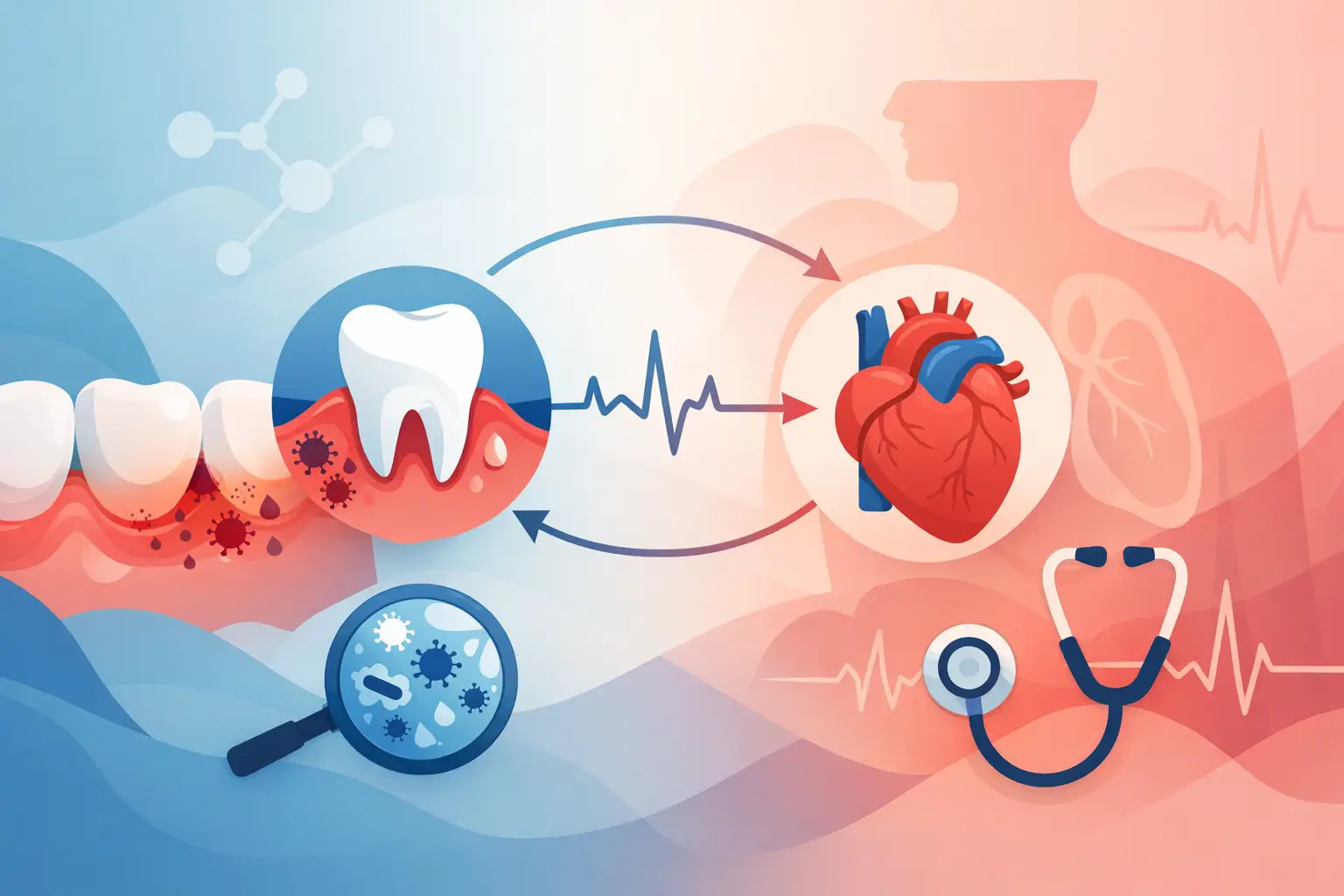
A bleeding gumline can seem like a small dental problem, especially when it does not hurt. Yet persistent bleeding, swelling, bad breath, or gum recession may point to periodontal disease, a chronic infection and inflammatory condition that affects far more than the appearance of a smile. Research into gum disease and heart health has given patients an important reason not to ignore those early signs.
The connection deserves a careful explanation. Gum disease does not automatically cause heart disease, and treating gums is not a substitute for managing blood pressure, cholesterol, diabetes, smoking, diet, or exercise. Still, the evidence shows a meaningful association between periodontal disease and cardiovascular conditions. For patients with active gum infection, protecting oral health may be one valuable part of a broader plan to protect overall health.
What Is the Connection Between Gum Disease and Heart Health?
Periodontal disease begins when bacterial plaque collects around and below the gumline. If it is not thoroughly removed, the body mounts an inflammatory response. Over time, the gums can pull away from teeth, creating pockets where bacteria continue to thrive. The inflammation can damage the bone and connective tissue that hold teeth in place.
Researchers have found that people with periodontitis are more likely to have cardiovascular disease than those with healthy gums. There are several possible reasons for this relationship. Inflamed gum tissue can allow bacteria and inflammatory byproducts to enter the bloodstream. These substances may contribute to systemic inflammation, which is also involved in the development and progression of atherosclerosis, the narrowing of arteries caused by plaque buildup.
Some studies have detected oral bacteria in cardiovascular tissue. That finding is biologically plausible, but it does not prove that gum bacteria directly cause a heart attack or stroke. Heart disease is complex, and most patients have multiple contributing risks. The strongest, most responsible takeaway is that chronic periodontal inflammation may add to the inflammatory burden on the body.
Shared Risk Factors Matter Too
The association is also shaped by risk factors that affect both oral and cardiovascular health. Smoking, poorly controlled diabetes, chronic stress, limited access to preventive care, and certain dietary patterns can increase the likelihood of both gum disease and heart disease.
This is why an individualized evaluation matters. A patient with mild gum inflammation and no other health concerns needs a different conversation than someone with advanced bone loss, diabetes, a history of smoking, or known cardiovascular disease. A periodontist can assess the condition of the gums and supporting bone while coordinating care thoughtfully with a patient's general dentist and physician when appropriate.
Why Bleeding Gums Should Not Be Dismissed
Healthy gums should not routinely bleed with brushing, flossing, or eating. Bleeding is often an early sign of gingivitis, the reversible stage of gum inflammation. When plaque hardens into tartar below the gumline, however, routine brushing alone cannot remove it. Without professional treatment, gingivitis can progress to periodontitis.
Periodontitis is often quiet. Many patients do not experience significant pain until the disease is advanced, which can create a false sense of security. Warning signs may include gums that bleed easily, persistent bad breath, gum recession, tenderness, pus around a tooth, changes in the way teeth fit together, or teeth that feel loose.
For patients focused on heart health, these symptoms are worth addressing promptly, but not from fear. The goal is to reduce an active source of chronic inflammation, preserve natural teeth whenever possible, and establish a stable foundation for long-term health.
Can Periodontal Treatment Help?
Periodontal treatment is designed to control infection, reduce inflammation, and make the mouth easier to maintain. For many patients, the first phase of care includes scaling and root planing, a detailed cleaning beneath the gumline that removes bacterial deposits from root surfaces. Depending on the severity and pattern of disease, treatment may also involve targeted antimicrobial therapy, laser periodontal treatment, regenerative procedures, or periodontal surgery.
After successful treatment, gum pockets may become shallower, bleeding may decrease, and patients can maintain their gums more effectively at home. Reducing periodontal inflammation can improve markers of systemic inflammation in some patients. However, it is important to be precise: current research does not establish that periodontal treatment alone prevents heart attacks or cures cardiovascular disease.
That distinction does not lessen the value of care. Treating periodontal disease can help preserve teeth, reduce infection and inflammation, improve comfort, and support healthier daily habits. For someone managing diabetes or heart disease, a healthier mouth may also make it easier to maintain consistent preventive care as part of a coordinated medical plan.
Advanced Disease Requires More Than a Routine Cleaning
A routine dental cleaning is preventive care for generally healthy gums. It is not the same as treatment for active periodontal disease. When deep pockets, bone loss, recession, furcation involvement, or loose teeth are present, specialized periodontal evaluation can identify the extent of damage and the most conservative effective path forward.
At Bita Farhoumand, DDS, treatment planning is built around precision care at every level. Board-certified periodontal expertise, detailed diagnostics, and advanced treatment options such as LANAP laser therapy, regenerative grafting, and surgical periodontal care allow treatment to be tailored to the biology of each patient. The right option depends on the amount of bone loss, the location of disease, overall health, and the patient's long-term goals.
Protecting Your Gums as Part of Whole-Body Care
Daily home care remains essential, but it works best when it is matched to your periodontal condition. Patients with healthy gums may do well with consistent brushing, cleaning between teeth, and professional preventive visits. Patients with periodontitis often need a more specific maintenance schedule, specialized tools, and periodic monitoring to prevent recurrence.
A practical approach includes brushing twice a day with a soft toothbrush, cleaning between teeth daily with floss or interdental brushes, and attending periodontal maintenance visits as recommended. Tobacco cessation, diabetes management, adequate sleep, and a balanced diet also support both gum and cardiovascular health.
Do not wait for pain before scheduling an evaluation. If you have been told that you have bone loss, deep gum pockets, receding gums, loose teeth, or bleeding that continues despite good home care, the problem may require more than another standard cleaning. A comprehensive periodontal examination can clarify what is happening and whether the disease can be stabilized before more tissue and bone are lost.
A Thoughtful Next Step for Your Health
The science around gum disease and heart health continues to develop, but one point is already clear: chronic gum inflammation deserves attention. Caring for your gums is not a replacement for medical heart care. It is a practical, meaningful way to address infection in your mouth, protect the teeth you rely on every day, and support a healthier future with confidence.
Quick Links
Helpful Articles
article_category: products
article_category: psychiatry
article_category: faqs
article_category: cats
article_category: general
article_category: services
article_category: technology
article_category: dogs
article_category: restorative
article_category: vision therapy
article_category: contact lenses
article_category: health
article_category: conditions
article_category: eye surgery co-management
article_category: exotic
article_category: cosmetic
article_category: surgical procedures
article_category: aesthetics
article_category: preventative
article_category: ocular disease management
article_category: eyeglasses
article_category: eye health
article_category: large animal
[]
article_category: psychiatry
article_category: faqs
article_category: cats
article_category: general
article_category: services
article_category: technology
article_category: dogs
article_category: restorative
article_category: vision therapy
article_category: contact lenses
article_category: health
article_category: conditions
article_category: eye surgery co-management
article_category: exotic
article_category: cosmetic
article_category: surgical procedures
article_category: aesthetics
article_category: preventative
article_category: ocular disease management
article_category: eyeglasses
article_category: eye health
article_category: large animal
[]
Flowbite is an open-source library of interactive components built on top of Tailwind CSS including buttons, dropdowns, modals, navbars, and more.
Check out this guide to learn how to get started and start developing websites even faster with components on top of Tailwind CSS.

All Dental Services
We offer a wide variety of dental services to the Encinitas community. Contact us with any questions about our services.

Keep In Touch
For non-urgent questions or to learn more about our services, contact us today!
© 2026 Bita Farhoumand, DDS. All rights Reserved - Accessibility Statement - Privacy Policy - Sitemap
Managed and Designed by 