
How LANAP Treats Gum Disease With Less Discomfort
Blog:How LANAP Treats Gum Disease With Less Discomfort
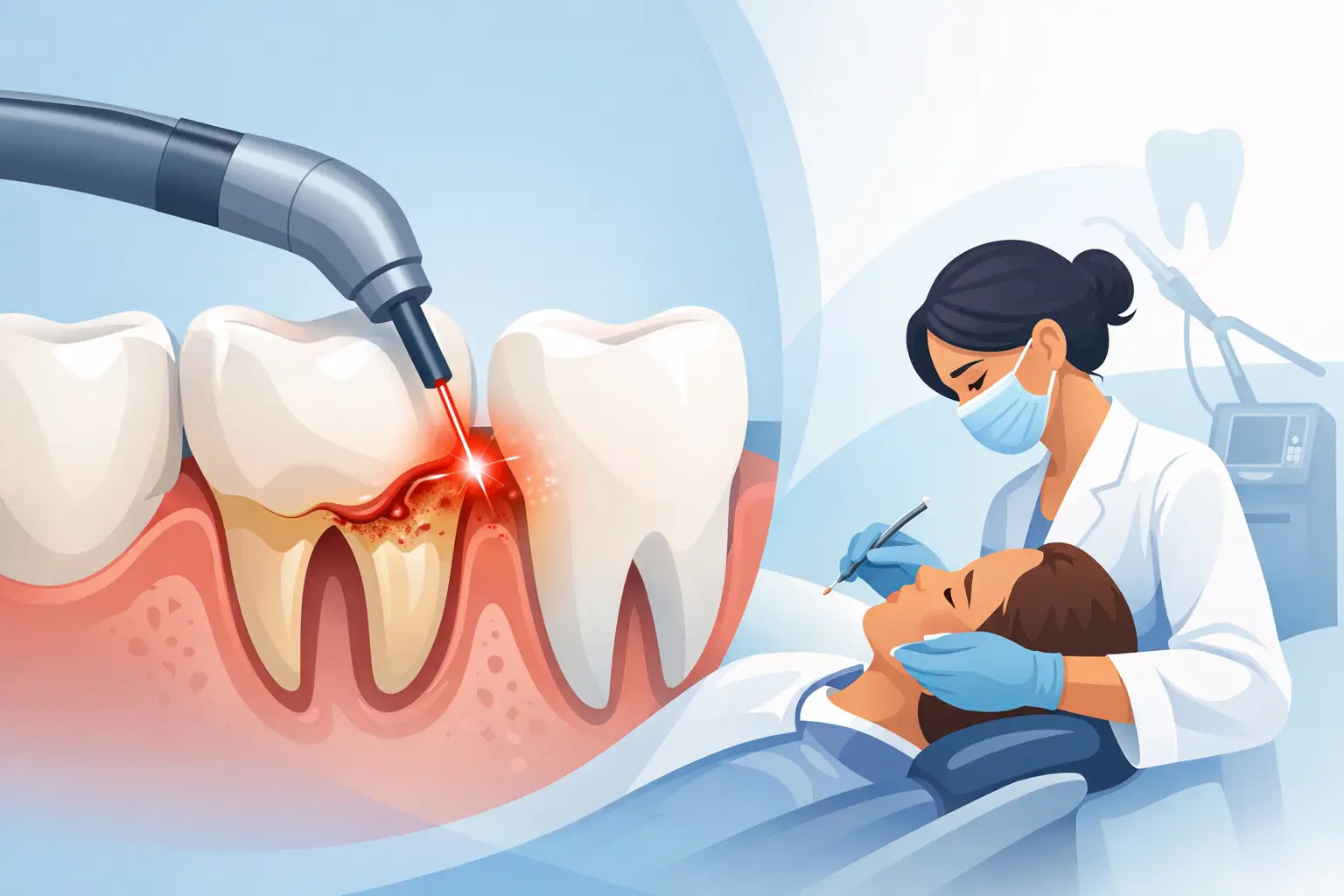
Gum disease can progress quietly. Bleeding when you brush, persistent bad breath, tender gums, or teeth that seem slightly longer may feel manageable at first, but they can signal infection beneath the gumline. Understanding how LANAP treats gum disease can help patients make an informed decision when conventional deep cleaning alone is no longer enough.
LANAP, short for Laser-Assisted New Attachment Procedure, is a specialized laser treatment for periodontal disease. It is designed to address infected gum tissue and harmful bacteria while preserving as much healthy tissue as possible. For appropriate candidates, it can offer a more comfortable alternative to traditional periodontal surgery, with an emphasis on precision, tissue preservation, and long-term support for the teeth.
What Gum Disease Does Below the Gumline
Periodontal disease begins when bacterial plaque hardens into tartar and accumulates around and below the gums. The body's inflammatory response to those bacteria can cause the gums to pull away from the teeth, creating periodontal pockets. These pockets become difficult to clean at home and may continue to collect bacteria.
As the infection advances, it can damage the ligament and bone that support each tooth. This is why untreated gum disease is a leading cause of adult tooth loss. It is also why treatment must do more than improve how the gums look from the outside. The goal is to control infection in the pockets, reduce inflammation, and preserve the structures that keep teeth functional.
Early gum disease may respond well to professional cleanings and improved home care. When deeper pockets, bone loss, or persistent inflammation are present, a periodontist may recommend scaling and root planing, LANAP laser therapy, conventional surgery, or a combination of treatments. The best choice depends on the severity and pattern of disease, the anatomy of the teeth and bone, overall health, and the patient's ability to maintain results.
How LANAP Treats Gum Disease Step by Step
LANAP uses a highly specific dental laser wavelength that is attracted to darker, infected tissue and bacteria. Rather than making large incisions in the gums, the periodontist gently places a very fine laser fiber into the periodontal pocket. The procedure is performed with local anesthesia, and sedation may be considered for patients with significant anxiety or more extensive treatment needs.
Identifying and removing diseased tissue
The laser energy is used to target infected, inflamed tissue lining the pocket. Healthy tissue is preserved as much as possible. This precision matters because the goal is not simply to remove gum tissue, but to create a cleaner environment where the gums can heal and reattach more closely to the tooth.
The laser also helps reduce bacterial load within the pocket. Periodontal disease is driven by a complex bacterial infection, so disrupting harmful bacteria is a central part of controlling the condition.
Cleaning the root surfaces
After the infected tissue has been addressed, specialized instruments remove tartar and bacterial deposits from the root surfaces. This step is essential. The roots must be thoroughly cleaned so the gums have a smooth, healthy surface against which to heal.
In other words, LANAP is not a shortcut that replaces careful periodontal cleaning. It is a laser-assisted procedure that combines precise tissue treatment with meticulous removal of the hardened deposits that contribute to infection.
Encouraging the gums to seal and heal
Once the pockets have been cleaned, the laser may be used again to create a stable blood clot in the treated area. The gums are then gently compressed against the tooth, helping establish a protective seal. Patients are usually given specific bite and home-care instructions to protect the area during early healing.
One of the clinical goals of LANAP is new attachment between the gum tissue and tooth. Healing varies from patient to patient, and no periodontal treatment can promise that every pocket will fully regenerate. However, when paired with excellent home care and ongoing periodontal maintenance, LANAP may help reduce pocket depth, bleeding, and inflammation while supporting the teeth for the long term.
Why Patients May Prefer Laser Gum Therapy
Many patients hear the word “surgery” and understandably picture significant cutting, sutures, swelling, and a difficult recovery. LANAP is often appealing because it is minimally invasive compared with conventional flap surgery. There are typically no scalpels and fewer or no sutures, depending on the clinical situation.
For many people, that can mean less post-treatment discomfort, reduced bleeding, and a faster return to normal routines. Because the procedure is targeted, it also aims to preserve more healthy gum tissue. This can be particularly meaningful for patients who are already concerned about gum recession or changes in the appearance of their smile.
That said, “less invasive” does not mean casual treatment. LANAP is a specialized periodontal procedure that requires proper diagnosis, appropriate laser training, and careful follow-up. Advanced gum disease remains a serious condition, and lasting results depend on the precision of treatment as well as the patient's commitment to maintenance.
Who Is a Candidate for LANAP?
LANAP may be considered for adults with moderate to advanced periodontal disease, particularly when there are deep pockets, bleeding, inflammation, or evidence of bone loss. It may also be an option for patients who want to avoid or minimize traditional gum surgery when clinically appropriate.
A comprehensive periodontal examination is the first step. This includes measuring pocket depths, evaluating bleeding and recession, reviewing dental X-rays or 3D imaging when needed, checking tooth mobility, and assessing existing restorations or implants. A board-certified periodontist can determine whether the disease is affecting natural teeth, dental implants, or both, since peri-implant disease requires its own careful approach.
LANAP is not automatically the right treatment for every patient. Teeth with severe structural damage, advanced mobility, complex root anatomy, or disease that has caused extensive bone loss may require additional procedures, such as regenerative bone grafting, soft-tissue grafting, or conventional periodontal surgery. In some cases, a tooth may not be predictable to save. A specialist's role is to explain those trade-offs honestly and recommend the approach with the strongest long-term outlook.
What Recovery and Maintenance Look Like
Most patients experience some tenderness after LANAP, but discomfort is often manageable with the instructions and medication recommended by their periodontist. A soft-food diet is commonly advised for a period of time, and patients may need to avoid brushing or flossing certain treated areas immediately after therapy. These details vary according to the extent of treatment, so individualized post-operative instructions matter.
Healing is not finished when the appointment ends. The treated gums need time to mature, and periodontal measurements are reassessed during follow-up visits. Regular periodontal maintenance appointments are essential because gum disease is a chronic condition. Even after successful treatment, susceptible patients can develop recurrent inflammation if bacterial plaque is allowed to build up again.
At home, the basics remain powerful: careful brushing, daily interdental cleaning as directed, and consistent professional maintenance. Some patients may also benefit from additional tools or therapies based on their individual risk factors, including smoking history, diabetes management, dry mouth, clenching, or difficulty cleaning around crowns, bridges, and implants.
Choosing Specialized Periodontal Care
Laser technology is only as effective as the diagnosis and treatment plan behind it. Before recommending LANAP, a periodontist should identify the cause and extent of disease, evaluate whether teeth are maintainable, and discuss realistic expectations for healing. Patients deserve to know not only what a treatment can do, but also what it cannot do on its own.
At Bita Farhoumand, DDS, treatment planning is centered on preserving healthy teeth, bone, and gum tissue whenever possible. As a Board-Certified periodontist, Dr. Farhoumand evaluates laser therapy within the full context of each patient's periodontal health, comfort needs, and long-term function.
If your gums bleed, your teeth feel different when you bite, or you have been told you have bone loss, waiting can allow a manageable problem to become more complex. A thorough periodontal evaluation can clarify what is happening below the gumline and provide a precise path toward protecting your smile.
Quick Links
Helpful Articles
article_category: products
article_category: psychiatry
article_category: faqs
article_category: cats
article_category: general
article_category: services
article_category: technology
article_category: dogs
article_category: restorative
article_category: vision therapy
article_category: contact lenses
article_category: health
article_category: conditions
article_category: eye surgery co-management
article_category: exotic
article_category: cosmetic
article_category: surgical procedures
article_category: aesthetics
article_category: preventative
article_category: ocular disease management
article_category: eyeglasses
article_category: eye health
article_category: large animal
[]
article_category: psychiatry
article_category: faqs
article_category: cats
article_category: general
article_category: services
article_category: technology
article_category: dogs
article_category: restorative
article_category: vision therapy
article_category: contact lenses
article_category: health
article_category: conditions
article_category: eye surgery co-management
article_category: exotic
article_category: cosmetic
article_category: surgical procedures
article_category: aesthetics
article_category: preventative
article_category: ocular disease management
article_category: eyeglasses
article_category: eye health
article_category: large animal
[]
Flowbite is an open-source library of interactive components built on top of Tailwind CSS including buttons, dropdowns, modals, navbars, and more.
Check out this guide to learn how to get started and start developing websites even faster with components on top of Tailwind CSS.
All Dental Services
We offer a wide variety of dental services to the Encinitas community. Contact us with any questions about our services.

Keep In Touch
For non-urgent questions or to learn more about our services, contact us today!
© 2026 Bita Farhoumand, DDS. All rights Reserved - Accessibility Statement - Privacy Policy - Sitemap
Managed and Designed by 