
How Scaling Root Planing Works to Protect Teeth
Blog:How Scaling Root Planing Works to Protect Teeth
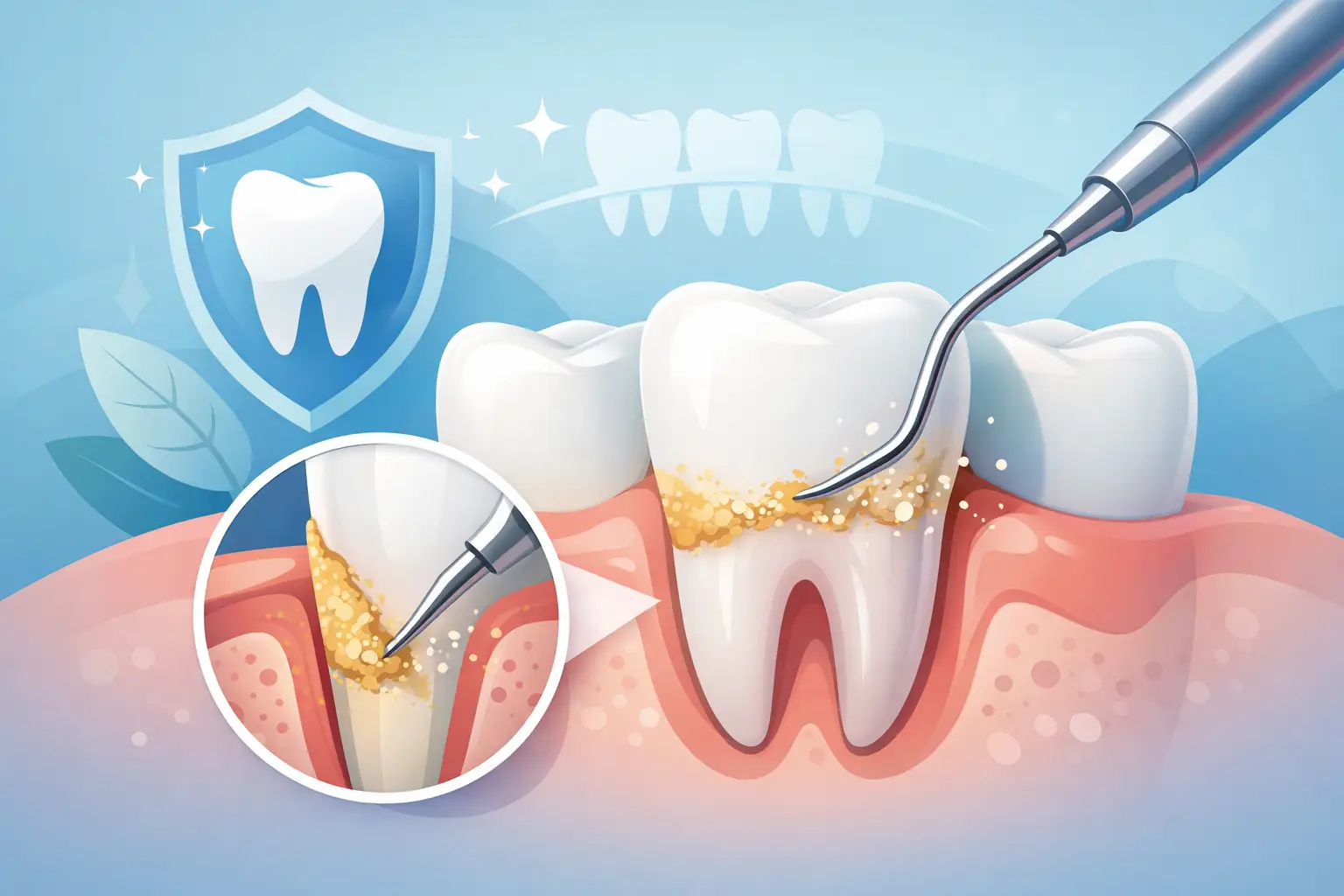
Bleeding when you brush, persistent bad breath, or gums that have begun to pull away from the teeth can be signs that bacteria have moved below the gumline. Understanding how scaling root planing works can make a recommended deep cleaning feel far less intimidating. This precise periodontal treatment removes infection-causing deposits from areas a routine cleaning cannot reach, giving the gums a healthier environment in which to heal.
What Scaling and Root Planing Treats
Scaling and root planing is a nonsurgical treatment for periodontal disease, commonly called gum disease. It is different from the preventive cleaning most patients receive every six months. During a routine cleaning, the hygienist removes plaque and tartar from above the gumline and slightly below it. When gum disease creates deeper spaces between the teeth and gums, called periodontal pockets, bacteria can collect far beyond the reach of a standard cleaning.
Plaque is a sticky bacterial film that forms continuously on teeth. If it is not fully removed, it can harden into tartar, also called calculus. Tartar cannot be brushed away at home. As bacteria and tartar accumulate beneath the gums, the body responds with inflammation. Over time, this inflammatory process can destroy the bone and connective tissues that hold teeth in place.
Scaling and root planing is designed to interrupt that cycle. By thoroughly removing bacterial deposits and smoothing contaminated root surfaces, treatment helps the gum tissue reattach more closely to the teeth. It can reduce bleeding, swelling, pocket depth, and the risk of continued bone loss. While it cannot replace bone that has already been lost, it may help preserve the support that remains.
How Scaling Root Planing Works Step by Step
Before treatment, your periodontal provider completes a detailed assessment. This usually includes measuring the depth of the spaces around each tooth, checking for bleeding and gum recession, reviewing X-rays, and evaluating bone levels. These findings determine whether deep cleaning is appropriate and which areas need attention.
Numbing for a More Comfortable Experience
Because scaling and root planing reaches below the gumline, local anesthetic is often used to keep the area comfortable. Treatment may be completed in one visit or divided into separate appointments, depending on the extent of disease and the number of areas involved. Patients with dental anxiety may also benefit from discussing comfort options before their visit.
The goal is not to rush through a cleaning. It is to carefully treat the surfaces where disease is active while protecting the surrounding tissues.
Scaling Removes Bacteria and Tartar
The scaling portion of treatment removes plaque, tartar, and bacterial toxins from the tooth surface below the gumline. A periodontal provider may use ultrasonic instruments, fine hand instruments, or a combination of both. Ultrasonic instruments use gentle vibration and water to break up hard deposits, while hand instruments allow for detailed work around roots and in deeper pockets.
Roots are not perfectly smooth, flat surfaces. They have natural contours, grooves, and areas where bacteria can hide. Precision matters, particularly around teeth with multiple roots, restorations, crowns, or existing implants nearby. The clinician works methodically around each affected tooth to remove deposits without unnecessary trauma to the gums.
Root Planing Smooths the Root Surface
Root planing follows scaling. It involves carefully smoothing the root surface after bacteria, tartar, and contaminated cementum have been removed. The objective is not to aggressively reshape the root. Instead, it is to create a clean, biologically compatible surface that is less likely to retain bacteria and more favorable for gum tissue healing.
When the root surface is clean, inflammation can begin to decrease. The gums may become firmer and fit more closely around the teeth over the following weeks. This does not mean every pocket will disappear or that gum disease has been permanently cured. Periodontal disease is a chronic condition that requires ongoing maintenance, but early and effective treatment can make it far more manageable.
Healing Begins After the Bacterial Burden Is Reduced
After scaling and root planing, many patients notice less bleeding and tenderness within several days. Mild soreness, temperature sensitivity, or slight gum tenderness can occur, especially if tartar was extensive or the gums were already inflamed. These effects are usually temporary.
As swelling improves, the gums may shrink slightly and reveal more of the tooth surface. This can make teeth look longer, but it is often a sign that inflammation has resolved. If sensitivity persists, your provider can recommend appropriate products or additional care.
What Does Treatment Feel Like?
With adequate local anesthetic, scaling and root planing should not be painful. You may feel pressure, vibration, and water from the instruments, but sharp discomfort should be addressed immediately. Open communication matters. A skilled periodontal team will pause when needed and adjust your comfort measures throughout the appointment.
Afterward, most patients return to normal activities the same day. It is usually wise to wait until numbness wears off before eating and to choose softer foods if the gums feel tender. Brushing and cleaning between the teeth should continue as directed, because effective home care is essential to healing.
When a Deep Cleaning May Not Be Enough
Scaling and root planing is often the first line of treatment for mild to moderate periodontal disease. Its success depends on several factors, including pocket depth, the pattern of bone loss, smoking or vaping, diabetes control, oral hygiene, and whether the patient returns for periodontal maintenance.
In some cases, deep pockets remain after initial healing. This does not mean treatment failed. It may mean that the disease is more advanced, that root anatomy limits access, or that bone loss has created areas where bacteria are difficult to control without additional therapy. A periodontal specialist may recommend laser-assisted treatment, localized antimicrobial therapy, regenerative procedures, or periodontal surgery when those options offer a more predictable long-term result.
The same careful evaluation is especially valuable for patients with dental implants. Implants can develop inflammatory disease as well, but they require a different approach because their surfaces and surrounding tissues are not the same as natural teeth. Treatment should be tailored to the specific diagnosis rather than applied as a one-size-fits-all deep cleaning.
Scaling and Root Planing vs. a Routine Dental Cleaning
A routine cleaning is preventive care for generally healthy gums. Scaling and root planing is therapeutic care for active gum disease. The distinction matters because periodontal disease is not simply a matter of surface stains or tartar buildup. It is an infection and inflammatory process occurring beneath the gumline, where it can affect the structures that support the teeth.
Deep cleaning is also not a substitute for consistent preventive visits after treatment. Once periodontal disease has been diagnosed, many patients need periodontal maintenance appointments every three to four months rather than standard six-month cleanings. This schedule is based on the tendency of harmful bacteria to recolonize below the gums over time.
Protecting Results After Treatment
The work completed in the dental chair is only one part of periodontal care. Daily plaque control at home is what helps maintain the cleaner root surfaces after treatment. Your provider may recommend a specific brushing method, interdental brushes, floss, a water flosser, prescription rinses, or other tools based on the shape of your teeth, gum condition, and restorations.
Smoking cessation and good blood sugar control can also make a meaningful difference in healing and disease stability. For patients who clench or grind their teeth, protecting the bite may be part of a long-term plan because excessive forces can further stress teeth with reduced bone support.
At Bita Farhoumand, DDS, periodontal treatment is planned around the health of each tooth, the condition of the supporting bone, and the outcome that will best serve you over time. A careful re-evaluation after scaling and root planing shows how your gums have responded and whether maintenance alone or additional treatment is appropriate.
If your gums bleed regularly, feel swollen, or have been diagnosed with periodontal pockets, timely evaluation can protect options that are harder to regain after bone loss progresses. The most reassuring next step is a clear diagnosis, a precise plan, and care focused on keeping your natural teeth healthy whenever possible.
Quick Links
Helpful Articles
article_category: products
article_category: psychiatry
article_category: faqs
article_category: cats
article_category: general
article_category: services
article_category: technology
article_category: dogs
article_category: restorative
article_category: vision therapy
article_category: contact lenses
article_category: health
article_category: conditions
article_category: eye surgery co-management
article_category: exotic
article_category: cosmetic
article_category: surgical procedures
article_category: aesthetics
article_category: preventative
article_category: ocular disease management
article_category: eyeglasses
article_category: eye health
article_category: large animal
[]
article_category: psychiatry
article_category: faqs
article_category: cats
article_category: general
article_category: services
article_category: technology
article_category: dogs
article_category: restorative
article_category: vision therapy
article_category: contact lenses
article_category: health
article_category: conditions
article_category: eye surgery co-management
article_category: exotic
article_category: cosmetic
article_category: surgical procedures
article_category: aesthetics
article_category: preventative
article_category: ocular disease management
article_category: eyeglasses
article_category: eye health
article_category: large animal
[]
Flowbite is an open-source library of interactive components built on top of Tailwind CSS including buttons, dropdowns, modals, navbars, and more.
Check out this guide to learn how to get started and start developing websites even faster with components on top of Tailwind CSS.
All Dental Services
We offer a wide variety of dental services to the Encinitas community. Contact us with any questions about our services.

Keep In Touch
For non-urgent questions or to learn more about our services, contact us today!
© 2026 Bita Farhoumand, DDS. All rights Reserved - Accessibility Statement - Privacy Policy - Sitemap
Managed and Designed by 