
How to Stop Gum Recession and Protect Your Teeth
Blog:How to Stop Gum Recession and Protect Your Teeth
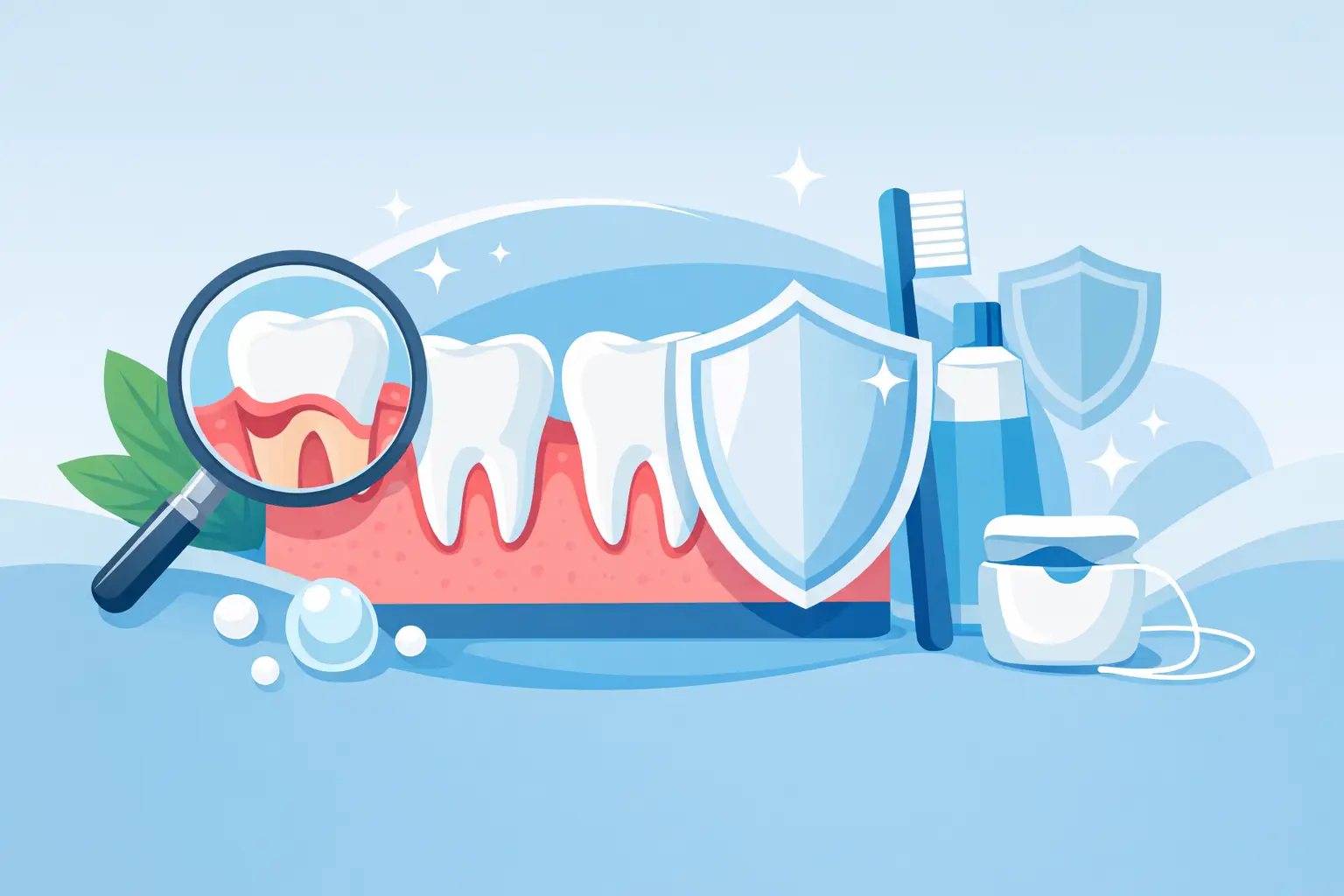
Gum recession can make a tooth look longer, create sudden sensitivity to cold water, or leave a notch near the gumline that catches your attention every time you brush. If you are searching for how to stop gum recession, the first priority is identifying why the gum tissue is pulling back. Recession is not simply a cosmetic concern. As roots become exposed, teeth may be more vulnerable to sensitivity, root decay, wear, and, in some cases, progressive loss of support.
The encouraging news is that gum recession can often be stabilized. The right approach depends on whether the cause is inflammation from gum disease, brushing trauma, tooth position, bite forces, thin tissue, or a combination of factors. Early, precise care offers the best opportunity to protect the tooth and preserve the tissues around it.
What Gum Recession Means
Healthy gums form a protective seal around each tooth. When the gumline moves downward on lower teeth or upward on upper teeth, more of the root surface becomes visible. Unlike enamel, root surfaces are covered by cementum, a softer material that can wear away or decay more easily.
Some recession progresses slowly enough that patients do not notice it until a dental exam. Others first notice sensitivity, a change in their smile, or a small ridge at the gumline. Recession does not always mean a tooth is loose, but it should never be dismissed. A careful periodontal evaluation can measure the recession, assess bone support, check for inflammation, and determine whether the condition is active.
Common Reasons Gums Recede
Periodontal disease is one of the most significant causes. Bacterial plaque that remains beneath the gumline can trigger chronic inflammation. Over time, that inflammation can damage the gum tissue and the bone that holds teeth in place. Bleeding with brushing, persistent bad breath, swollen gums, or teeth that feel different when biting are reasons to schedule an evaluation promptly.
Aggressive brushing is another common contributor. A hard-bristled brush, excessive pressure, or a side-to-side scrubbing motion can gradually wear away delicate tissue, especially around teeth with naturally thin gums. Brushing harder does not clean better. A soft-bristled brush and a gentle, controlled technique are safer for both gums and enamel.
Other contributing factors include clenching or grinding, tobacco use, crooked or prominent teeth, orthodontic movement outside the bony housing, poorly positioned piercings, and genetics. Some patients simply have thin gum tissue that is more susceptible to recession. This is why two people with similar brushing habits can have very different gumline changes.
How to Stop Gum Recession From Getting Worse
Stopping recession begins with removing the source of injury or inflammation. Home care is essential, but it cannot reverse bone loss or clean hardened deposits below the gumline. If gum disease is present, professional periodontal treatment is needed to control it.
Use a soft toothbrush or an electric brush with a pressure sensor. Position the bristles at the gumline and use small, gentle motions rather than forceful horizontal strokes. Your dental professional can demonstrate a technique appropriate for your gum condition and the shape of your teeth.
Clean between teeth every day. Floss, interdental brushes, or a water flosser may be recommended depending on the size of the spaces between your teeth and the presence of bridges, implants, or orthodontic appliances. The most effective tool is the one that fits your anatomy and that you can use consistently without injuring the tissue.
If you clench or grind, a custom night guard may reduce damaging forces on teeth and gums. It will not treat periodontal disease, but it can be an important part of protecting a compromised bite. Tobacco cessation also matters. Tobacco can mask bleeding while impairing healing and increasing the risk of periodontal breakdown.
Regular periodontal maintenance is equally important after treatment. The ideal interval varies. A patient with stable, healthy gums may need a different schedule than someone with a history of advanced gum disease, implants, or ongoing risk factors.
When Home Care Is Not Enough
When inflammation and tartar extend below the gumline, scaling and root planing may be recommended. This non-surgical periodontal therapy removes bacterial deposits from root surfaces and helps reduce inflammation so the gums can heal. In appropriate cases, adjunctive options such as Perio Protect or laser periodontal therapy may be considered as part of an individualized treatment plan.
For some patients, LANAP laser gum therapy can offer a less invasive approach to treating periodontal infection. Its suitability depends on the pattern and severity of disease, the amount of bone loss, and the overall condition of the teeth. Technology is valuable when it is selected for the right clinical situation, not as a one-size-fits-all answer.
If recession is caused primarily by thin tissue or an exposed root rather than active infection, gum grafting may be the most predictable option. A periodontist can use your own tissue or a carefully selected grafting material to add thickness, cover exposed roots where possible, and create a more durable gumline. Complete root coverage is not guaranteed in every case. The location of the tooth, extent of recession, existing bone, tissue thickness, and oral habits all affect the outcome.
Grafting is often recommended because it addresses more than appearance. Thickening the tissue can reduce sensitivity, make brushing more comfortable, and improve long-term protection around a vulnerable tooth. It may also be considered before or during certain orthodontic or restorative treatments when the gum tissue is at risk.
Do Receding Gums Grow Back on Their Own?
Gum tissue generally does not grow back to its original position on its own once true recession has occurred. Inflammation may improve after professional cleaning and better home care, and swollen gums may look healthier, but that is different from regenerating lost gum attachment.
This is why early evaluation matters. The goal may be to stop progression, improve tissue health, reduce sensitivity, and determine whether surgical root coverage would provide a meaningful benefit. Waiting until recession becomes severe can limit the treatment options available.
Can Toothpaste Fix Gum Recession?
Desensitizing toothpaste can help reduce discomfort from exposed root surfaces, and fluoride toothpaste can help protect against root decay. Neither product can rebuild lost gum tissue or treat the underlying cause of recession.
Avoid whitening or abrasive toothpastes if your exposed roots are sensitive or visibly worn, unless your dentist advises otherwise. The right toothpaste is supportive care, not a substitute for diagnosis.
Signs You Should See a Periodontist
A general dentist can identify many early gum concerns, but a periodontist is specifically trained to diagnose and treat diseases of the gums, bone, and supporting structures around teeth and implants. A specialist evaluation is especially valuable if recession is progressing, multiple teeth are affected, sensitivity persists, or you have been told there is bone loss.
Seek care sooner if you notice bleeding gums, pus, swelling, a changing bite, loose teeth, persistent bad breath, or recession around an implant. Implants can also develop inflammatory disease, and early treatment is critical to protecting the bone that supports them.
At a specialty practice such as Bita Farhoumand, DDS, a periodontal assessment can distinguish between a manageable hygiene issue and a condition requiring advanced treatment. This distinction is essential. Treating recession caused by brushing trauma is very different from treating recession associated with periodontal disease or failing implant support.
Protecting Your Results Long Term
Once recession is stable or treated, maintaining the result requires consistency. Gentle home care, professionally recommended maintenance visits, and prompt attention to bleeding or sensitivity can help prevent small problems from becoming larger ones. If a bite issue, grinding habit, or tooth position contributed to recession, that factor should remain part of the long-term plan as well.
Your gums are not separate from the rest of your smile. They are the foundation that supports every tooth, restoration, and implant. A thoughtful periodontal evaluation can replace uncertainty with a clear plan to preserve what is healthy and address what needs attention before it becomes more difficult to treat.
Quick Links
Helpful Articles
article_category: products
article_category: psychiatry
article_category: faqs
article_category: cats
article_category: general
article_category: services
article_category: technology
article_category: dogs
article_category: restorative
article_category: vision therapy
article_category: contact lenses
article_category: health
article_category: conditions
article_category: eye surgery co-management
article_category: exotic
article_category: cosmetic
article_category: surgical procedures
article_category: aesthetics
article_category: preventative
article_category: ocular disease management
article_category: eyeglasses
article_category: eye health
article_category: large animal
[]
article_category: psychiatry
article_category: faqs
article_category: cats
article_category: general
article_category: services
article_category: technology
article_category: dogs
article_category: restorative
article_category: vision therapy
article_category: contact lenses
article_category: health
article_category: conditions
article_category: eye surgery co-management
article_category: exotic
article_category: cosmetic
article_category: surgical procedures
article_category: aesthetics
article_category: preventative
article_category: ocular disease management
article_category: eyeglasses
article_category: eye health
article_category: large animal
[]
Flowbite is an open-source library of interactive components built on top of Tailwind CSS including buttons, dropdowns, modals, navbars, and more.
Check out this guide to learn how to get started and start developing websites even faster with components on top of Tailwind CSS.
All Dental Services
We offer a wide variety of dental services to the Encinitas community. Contact us with any questions about our services.

Keep In Touch
For non-urgent questions or to learn more about our services, contact us today!
© 2026 Bita Farhoumand, DDS. All rights Reserved - Accessibility Statement - Privacy Policy - Sitemap
Managed and Designed by 