
How to Treat Gum Abscess Pain and Protect Your Tooth
Blog:How to Treat Gum Abscess Pain and Protect Your Tooth
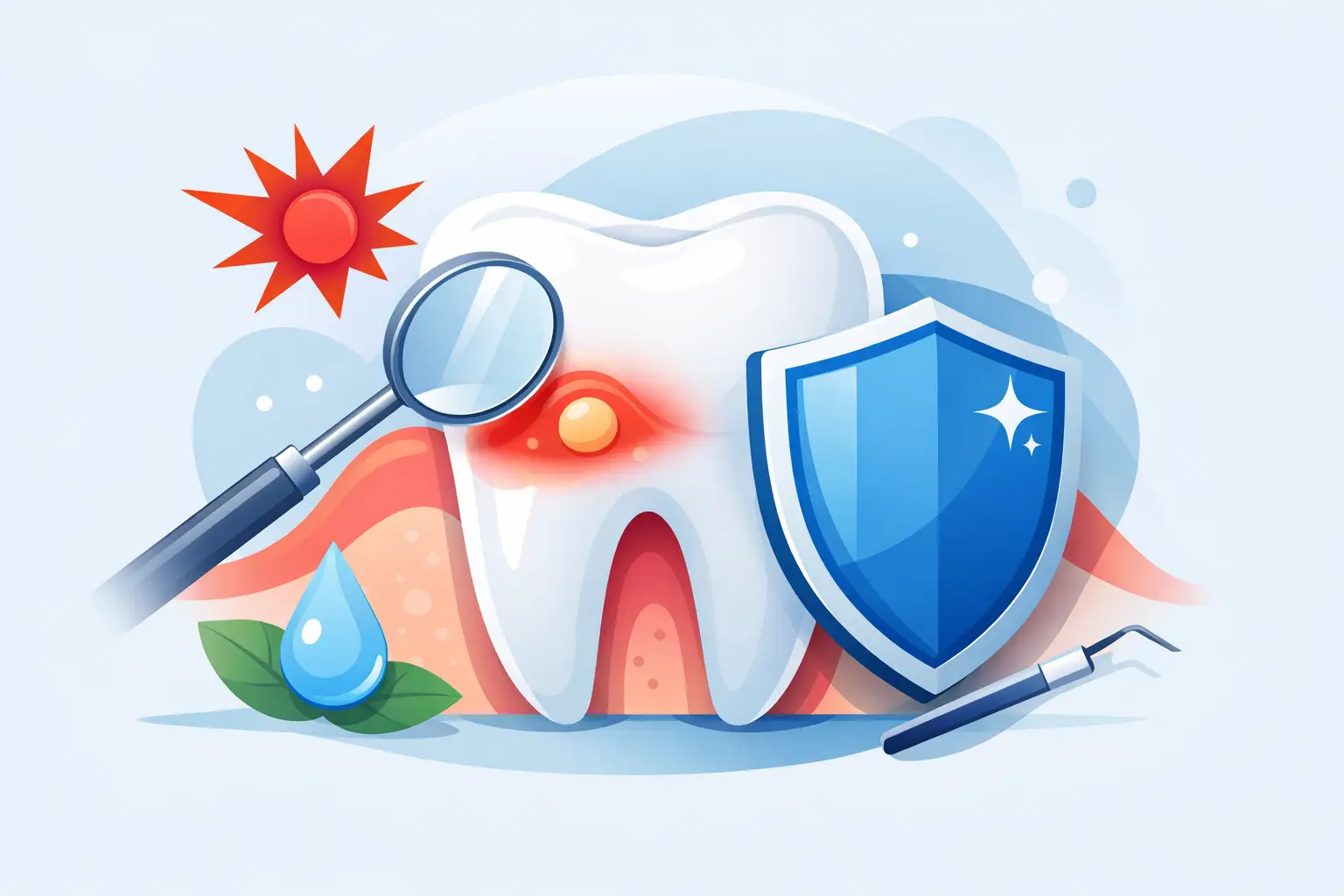
A gum abscess can turn from a sore, swollen spot into severe pain surprisingly quickly. If you are searching for how to treat gum abscess symptoms, the first priority is not finding a way to pop it at home. The priority is stopping the infection at its source while protecting the tooth, bone, and surrounding gum tissue.
An abscess is a pocket of pus caused by a bacterial infection. It may form beside the tooth in the gum tissue or develop from an infection inside the tooth that drains through the gum. Either way, swelling can temporarily improve if the abscess drains, but the infection itself does not simply disappear. Prompt professional care gives you the best opportunity to relieve pain and preserve your oral health.
Know the Signs of a Gum Abscess
A gum abscess may look like a pimple or raised bump on the gums. It can be red, tender, and filled with fluid. Some people notice a bad taste in the mouth or pus draining near one tooth. Others first experience a throbbing toothache, pain when chewing, gum swelling, or sensitivity to heat and cold.
Not every abscess causes intense pain. If it begins to drain, pressure may decrease and the area can seem less urgent. That is misleading. Drainage is a sign that infection has found a pathway out, not proof that the underlying problem has healed.
The source matters. A periodontal abscess usually begins in the gum pocket around a tooth, often when advanced gum disease, tartar buildup, or a foreign object traps bacteria below the gumline. A periapical abscess begins within the tooth, commonly after deep decay, trauma, or a cracked tooth affects the pulp. The treatment plan depends on which problem is present.
How to Treat a Gum Abscess Safely
A gum abscess needs a dental examination as soon as possible, ideally the same day or within 24 hours. Your dentist or periodontist will examine the gums and tooth, take appropriate X-rays, and determine whether the infection is coming from periodontal tissue, the tooth root, or both.
Professional treatment may involve gently draining the abscess to relieve pressure, cleaning bacteria and deposits from beneath the gums, or treating the tooth through root canal therapy. If a tooth is too damaged to save, extraction may be the safest option, followed by a discussion of replacement options when the site has healed. The goal is always to preserve healthy natural teeth whenever predictably possible, but a lasting result requires treating the cause, not only the swelling.
For a periodontal abscess, deep cleaning such as scaling and root planing may be recommended to remove infection-causing plaque and calculus from root surfaces. In more advanced cases, periodontal surgery or regenerative treatment may be considered after the acute infection is controlled. If the abscess is associated with a failing dental implant, specialist evaluation is especially important because implant infections can progress with limited discomfort while bone loss develops around the implant.
What You Can Do Until You Are Seen
Home care can make you more comfortable, but it cannot cure an abscess. Rinse gently with warm salt water several times a day, using about half a teaspoon of salt in a glass of warm water. This can help keep the area clean and soothe irritated tissue.
Continue brushing with a soft toothbrush, but be gentle around the swollen area. Floss carefully if it does not increase pain or cause bleeding. If food is trapped between teeth, a warm-water rinse may help dislodge it without injuring the gum tissue.
Over-the-counter pain medication may provide temporary relief when used exactly as directed on the label and when medically appropriate for you. A cold compress held against the outside of the cheek in short intervals can also reduce swelling and discomfort. Avoid placing aspirin directly on the gum, as it can burn the tissue.
Do not squeeze, puncture, or try to drain an abscess yourself. This can force bacteria deeper into tissue, worsen inflammation, and delay proper treatment. Avoid smoking and alcohol as well, since both can interfere with healing and aggravate irritated tissues.
When a Gum Abscess Is a Dental Emergency
Contact a dental professional immediately if you have facial swelling, fever, difficulty swallowing, difficulty breathing, confusion, severe weakness, or swelling that is spreading toward the eye, jaw, or neck. These symptoms can indicate that infection is moving beyond the localized gum area and requires urgent medical attention.
You should also seek prompt care for persistent pain, a loose tooth, pus drainage, or a lump on the gums that lasts more than a day or two. People with diabetes, immune system conditions, or medications that suppress immune function should be particularly cautious, because infections can become more serious more quickly.
Antibiotics are sometimes appropriate, especially when there is fever, spreading swelling, or other signs of systemic infection. However, antibiotics alone are rarely the complete answer. They may reduce bacterial activity temporarily, but they do not remove tartar below the gums, clean an infected root canal, repair a crack, or eliminate a source of trapped infection. Definitive dental treatment remains essential.
Why an Abscess Should Not Be Ignored
The immediate concern with a gum abscess is pain and swelling. The longer-term concern is damage to the structures that support your tooth. Untreated periodontal infection can destroy gum attachment and jawbone, allowing teeth to loosen. Infection from inside a tooth can damage the bone at the root tip and compromise the tooth’s long-term prognosis.
There is also a practical reason to act early: treatment is often more conservative before an infection has caused extensive tissue loss. A small localized periodontal problem may respond well to thorough cleaning and focused follow-up. More advanced disease may require surgical access, bone grafting, or treatment to restore healthy gum contours around a tooth or implant.
Modern periodontal care is designed around both disease control and comfort. Advanced techniques, including laser-assisted treatment in appropriate cases, may help address infected gum tissue with precision. The right approach depends on the anatomy of the tooth, the depth of periodontal pockets, the amount of bone loss, your overall health, and whether the problem involves a natural tooth or implant.
Preventing Another Gum Abscess
Once an abscess has been treated, follow-up is not optional. Your dental team may recheck the area to confirm healing and measure gum pocket depths. If gum disease contributed to the infection, ongoing periodontal maintenance at intervals tailored to your needs is one of the most effective ways to reduce recurrence.
At home, consistent plaque control matters. Brush twice daily with a soft brush, clean between teeth every day, and attend recommended cleanings. If you have implants, crowns, bridges, or areas where food tends to collect, ask for specific cleaning guidance. These areas can need more than a standard brushing routine.
A gum abscess is not a personal failure or something to be embarrassed about. It is a clinical warning that deserves precise attention. For patients in Encinitas and North County San Diego, a timely evaluation with a periodontal specialist such as Bita Farhoumand, DDS can clarify the source of infection and help create a treatment plan focused on comfort, stability, and preserving your smile for the long term.
Quick Links
Helpful Articles
article_category: products
article_category: psychiatry
article_category: faqs
article_category: cats
article_category: general
article_category: services
article_category: technology
article_category: dogs
article_category: restorative
article_category: vision therapy
article_category: contact lenses
article_category: health
article_category: conditions
article_category: eye surgery co-management
article_category: exotic
article_category: cosmetic
article_category: surgical procedures
article_category: aesthetics
article_category: preventative
article_category: ocular disease management
article_category: eyeglasses
article_category: eye health
article_category: large animal
[]
article_category: psychiatry
article_category: faqs
article_category: cats
article_category: general
article_category: services
article_category: technology
article_category: dogs
article_category: restorative
article_category: vision therapy
article_category: contact lenses
article_category: health
article_category: conditions
article_category: eye surgery co-management
article_category: exotic
article_category: cosmetic
article_category: surgical procedures
article_category: aesthetics
article_category: preventative
article_category: ocular disease management
article_category: eyeglasses
article_category: eye health
article_category: large animal
[]
Flowbite is an open-source library of interactive components built on top of Tailwind CSS including buttons, dropdowns, modals, navbars, and more.
Check out this guide to learn how to get started and start developing websites even faster with components on top of Tailwind CSS.

All Dental Services
We offer a wide variety of dental services to the Encinitas community. Contact us with any questions about our services.

Keep In Touch
For non-urgent questions or to learn more about our services, contact us today!
© 2026 Bita Farhoumand, DDS. All rights Reserved - Accessibility Statement - Privacy Policy - Sitemap
Managed and Designed by 