
Is There Treatment for Periodontal Disease?
Blog:Is There Treatment for Periodontal Disease?
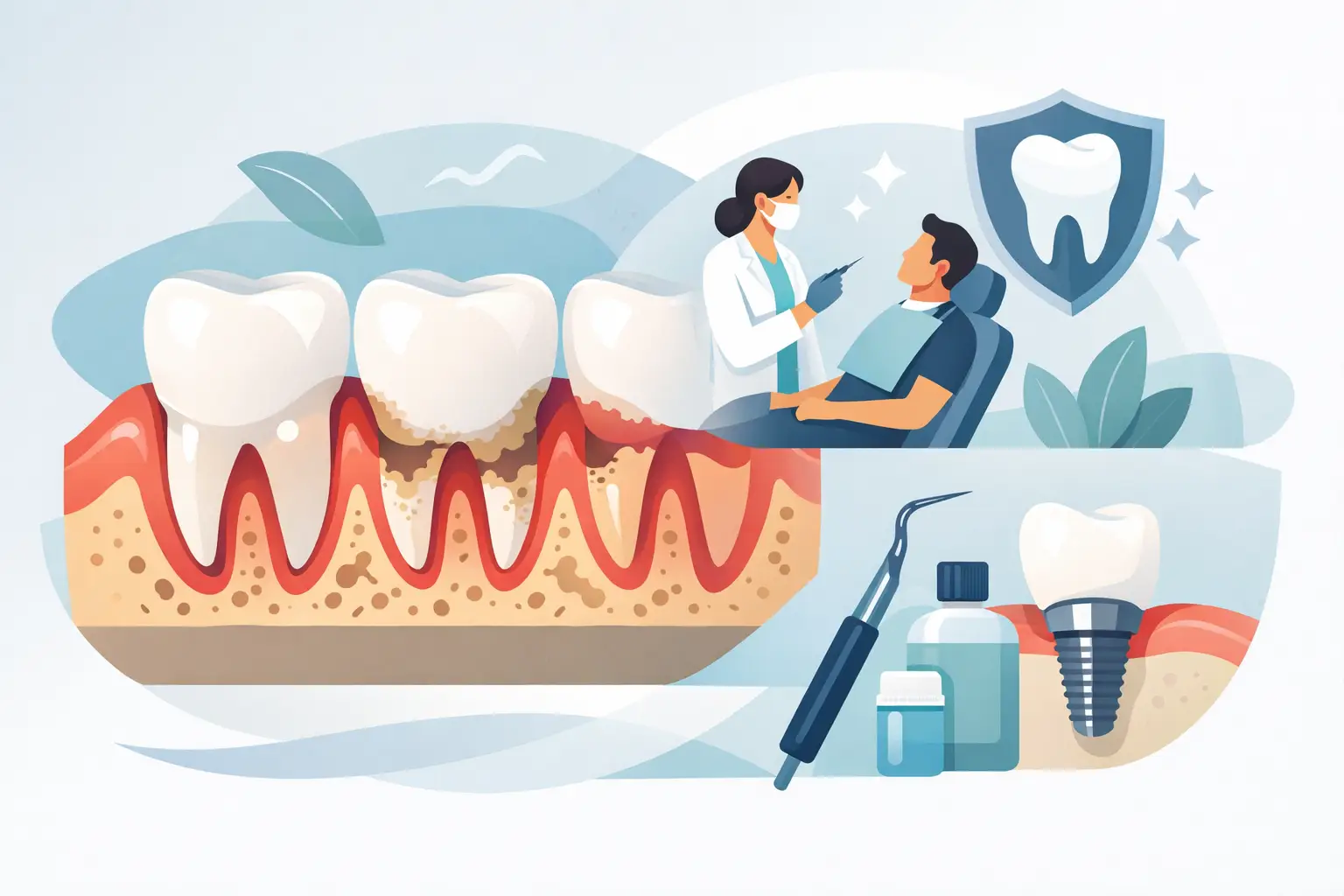
Bleeding when you brush, gums that seem to be pulling away from the teeth, or persistent bad breath can raise a hard question fast: is there treatment for periodontal disease? The reassuring answer is yes. In many cases, periodontal disease can be controlled very effectively, and when it is treated early, it may be possible to prevent major bone loss, tooth mobility, and tooth loss.
What matters most is not just whether treatment exists, but which treatment is right for your stage of disease. Gum disease is not one-size-fits-all, and successful care depends on a precise diagnosis, the severity of infection, your overall health, and how much support the teeth still have.
Is There Treatment for Periodontal Disease at Every Stage?
Yes, but the approach changes as the condition progresses. Gingivitis, the earliest stage, affects the gums without damaging the bone that supports the teeth. At this point, professional cleanings and improved home care may be enough to reverse inflammation.
Periodontitis is different. Once the infection moves deeper and begins to destroy the ligament and bone around the teeth, treatment becomes more involved. The goal is no longer simply to clean the teeth. It is to stop the infection, reduce pocket depth, preserve the supporting structures, and create conditions that can be maintained long term.
That is why a specialist evaluation can be so valuable. Two patients may both hear they have gum disease, but one may need non-surgical therapy while another may need laser treatment, regenerative procedures, or surgery to save teeth that are already at risk.
What Periodontal Disease Treatment Is Designed to Do
Periodontal treatment is focused on controlling a bacterial infection below the gumline. When bacteria and hardened deposits collect in deep pockets, the body responds with chronic inflammation. Over time, that inflammation breaks down bone and connective tissue.
Effective treatment aims to remove the bacterial source, reduce inflammation, and help the gums reattach as much as possible. In more advanced cases, treatment may also rebuild lost bone or soft tissue, stabilize loose teeth, or prepare the mouth for future restorative care such as dental implants.
This is one reason temporary, surface-level solutions rarely work. Mouthwash alone will not treat deep periodontal pockets. Neither will routine cleanings once disease has progressed beneath the gumline. The treatment has to match the biology of the disease.
Common Treatments for Periodontal Disease
For many patients, the first phase of care is scaling and root planing. This is a deep cleaning procedure that removes plaque, tartar, and bacterial toxins from below the gumline and smooths the root surfaces. The goal is to reduce inflammation and make it harder for bacteria to recolonize.
In mild to moderate cases, scaling and root planing can significantly improve gum health, especially when paired with diligent home care and regular periodontal maintenance. Some patients also benefit from localized antimicrobials or custom prescription trays that deliver medication into the pockets over time.
When pockets are deeper or the disease is more aggressive, advanced therapies may be recommended. Laser-assisted periodontal treatment, including LANAP in appropriate cases, can target diseased tissue and bacteria with less trauma than traditional surgery for some patients. This can be especially appealing to people who want an effective option with less postoperative discomfort and downtime.
There are times, however, when surgical access is still the best choice. If deposits are too deep to remove thoroughly without direct visualization, or if the bone architecture needs correction, periodontal surgery may offer a more predictable result. In areas where bone or tissue has been lost, regenerative procedures such as bone grafting or soft-tissue grafting may help restore support and improve long-term stability.
When Non-Surgical Care Is Enough and When It Is Not
This is where nuance matters. Some patients respond very well to conservative treatment. If the pockets are not too deep, the teeth are stable, and the patient is consistent with maintenance, non-surgical therapy can be highly successful.
But not every case should be managed conservatively. If there is advanced bone loss, furcation involvement around molars, gum recession, persistent deep pockets, or teeth beginning to loosen, delaying specialized care can narrow your options. A tooth that might have been saved earlier can become far more difficult to treat later.
The right treatment plan should be based on measurements, imaging, risk factors, and clinical judgment - not guesswork. Smoking, diabetes, dry mouth, genetics, bite forces, and previous dental work can all affect how periodontal disease progresses and how well treatment will work.
Can Periodontal Disease Be Cured?
A better word than cured is controlled. Once periodontitis has caused attachment or bone loss, the mouth remains more vulnerable than it was before disease developed. Even after successful treatment, ongoing maintenance is essential to keep harmful bacteria from re-establishing themselves.
That does not mean the situation is hopeless. Quite the opposite. Many patients keep their teeth for years or decades after periodontal treatment when the infection is brought under control and maintenance is taken seriously. The key is understanding that this is a chronic condition with a long-term management component.
Think of treatment as the turning point. It stops active destruction and gives the tissues a chance to stabilize. What follows - home care, periodontal maintenance visits, and monitoring - helps protect that progress.
Signs You May Need a Periodontal Specialist
Some patients first learn they need more than a routine cleaning when a general dentist finds deep pockets or bone loss on X-rays. Others notice symptoms on their own, such as bleeding gums, tenderness, bad breath, recession, spaces developing between teeth, or a bite that feels different.
You may benefit from a specialist evaluation if your gums bleed regularly, your teeth feel loose, you have been told you need a deep cleaning, or previous gum treatment did not fully resolve the problem. The same is true if you have a failing implant, gum recession exposing tooth roots, or a recommendation for extraction that you want evaluated carefully.
A board-certified periodontist brings focused training in diagnosing and treating advanced gum and bone problems. For patients in North County San Diego who want precision care with modern techniques, that level of expertise can make a meaningful difference in both treatment options and long-term outcomes.
What to Expect During Treatment
One of the biggest barriers to care is fear that periodontal treatment will be painful or overwhelming. In reality, modern periodontal care is far more comfortable and individualized than many people expect.
Treatment usually starts with a detailed exam, measurements around each tooth, and diagnostic imaging to evaluate bone levels and areas of infection. From there, a plan is built around what your mouth actually needs. Some patients begin with scaling and root planing and then return for re-evaluation. Others may be candidates for laser therapy, regenerative treatment, or surgical care from the start.
Comfort matters too. Local anesthesia, sedation options for anxious patients, and minimally invasive techniques can make treatment much more manageable. At a specialty practice such as Bita Farhoumand, DDS, the focus is not only on eliminating infection but on doing so with precision and compassion.
Why Early Treatment Changes the Outcome
The longer periodontal disease goes untreated, the harder it can be to manage conservatively. Early treatment can reduce the chance of tooth loss, limit the need for more extensive surgery, and protect the bone needed to support your natural teeth or future implants.
There is also a quality-of-life factor that patients sometimes underestimate. Healthier gums are less likely to bleed, swell, ache, or make chewing uncomfortable. Treatment can improve breath, reduce sensitivity in exposed root areas, and help patients feel more confident about their oral health again.
If you have been wondering whether your symptoms are serious enough to act on, that uncertainty alone is a good reason to have your gums evaluated. Periodontal disease often progresses quietly. Waiting for pain is not a reliable strategy.
The right time to seek treatment is when the disease can still be managed with the greatest number of options. If your gums are showing signs that something is wrong, getting a clear diagnosis now can help you protect your smile for the long run.
Quick Links
Helpful Articles
article_category: products
article_category: psychiatry
article_category: faqs
article_category: cats
article_category: general
article_category: services
article_category: technology
article_category: dogs
article_category: restorative
article_category: vision therapy
article_category: contact lenses
article_category: health
article_category: conditions
article_category: eye surgery co-management
article_category: exotic
article_category: cosmetic
article_category: surgical procedures
article_category: aesthetics
article_category: preventative
article_category: ocular disease management
article_category: eyeglasses
article_category: eye health
article_category: large animal
[]
article_category: psychiatry
article_category: faqs
article_category: cats
article_category: general
article_category: services
article_category: technology
article_category: dogs
article_category: restorative
article_category: vision therapy
article_category: contact lenses
article_category: health
article_category: conditions
article_category: eye surgery co-management
article_category: exotic
article_category: cosmetic
article_category: surgical procedures
article_category: aesthetics
article_category: preventative
article_category: ocular disease management
article_category: eyeglasses
article_category: eye health
article_category: large animal
[]
Flowbite is an open-source library of interactive components built on top of Tailwind CSS including buttons, dropdowns, modals, navbars, and more.
Check out this guide to learn how to get started and start developing websites even faster with components on top of Tailwind CSS.
All Dental Services
We offer a wide variety of dental services to the Encinitas community. Contact us with any questions about our services.

Keep In Touch
For non-urgent questions or to learn more about our services, contact us today!
© 2026 Bita Farhoumand, DDS. All rights Reserved - Accessibility Statement - Privacy Policy - Sitemap
Managed and Designed by 