
LAPIP vs. Dental Implant Removal: When Can a Failing Implant Be Saved in Encinitas?
Blog:LAPIP vs. Dental Implant Removal: When Can a Failing Implant Be Saved in Encinitas?
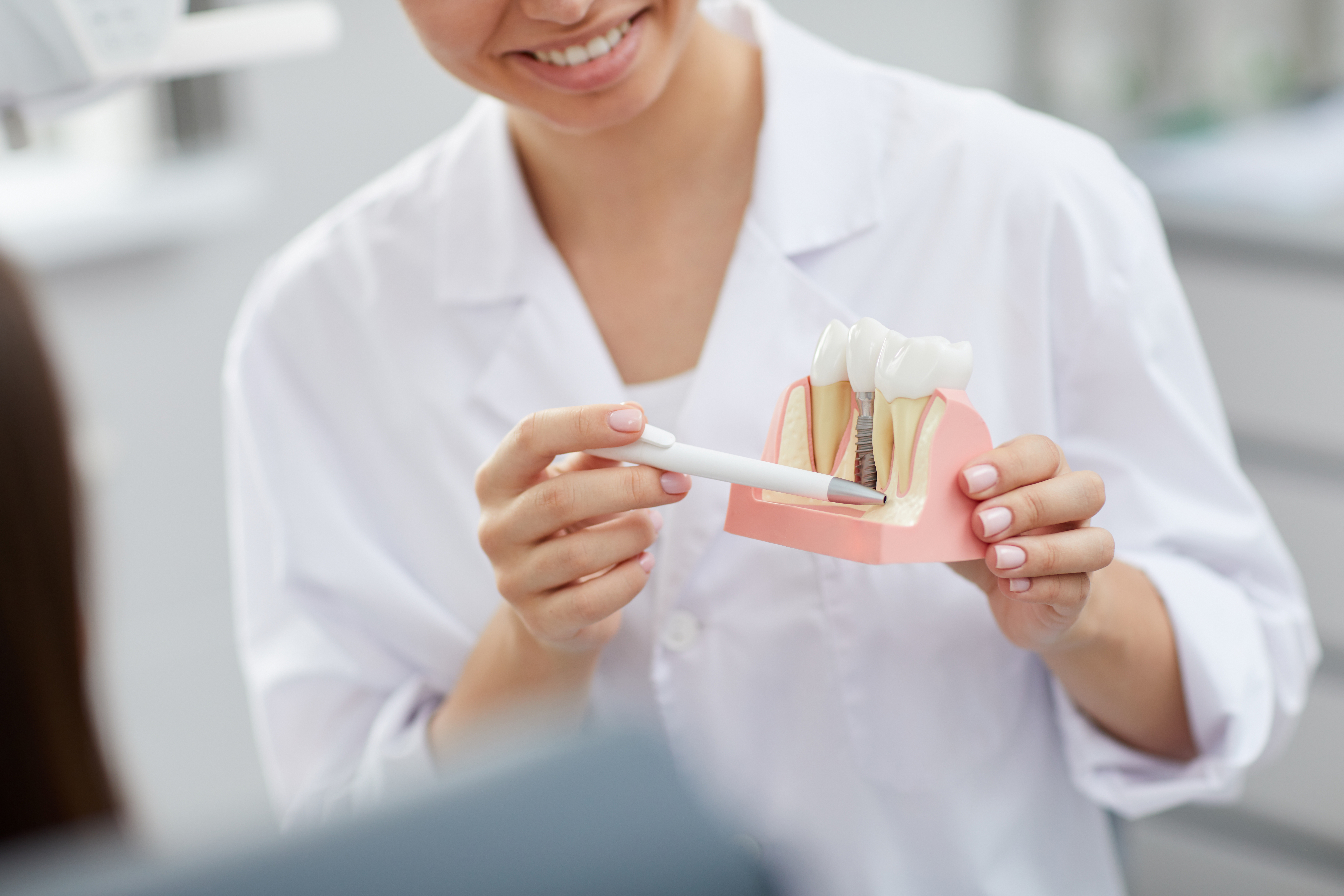
A dental implant that develops inflammation or bone loss does not always have to be removed. In many cases, early diagnosis and specialized periodontal treatment can help control the infection and preserve the implant. At Bita Farhoumand, DDS, we evaluate failing dental implants carefully to determine whether LAPIP laser treatment may help save the implant or whether removal offers a more predictable path forward.
Why Dental Implants Can Begin to Fail
One of the primary biological causes of implant failure is peri-implant disease. Peri-implant mucositis affects the gum tissue surrounding an implant, while peri-implantitis involves inflammation along with loss of supporting bone.
Several factors can contribute to these problems, including bacterial buildup, a history of periodontal disease, smoking, uncontrolled diabetes, clenching or grinding, and difficulty cleaning around the implant restoration.
Signs that an implant may need attention include:
• Bleeding or swollen gums around the implant
• Gum recession or exposed implant surfaces
• Persistent tenderness or discomfort
• Pus or drainage near the implant
• Increasing bone loss seen on dental X-rays
• A crown, restoration, or implant that feels loose
The sooner these changes are evaluated, the more treatment options may be available.
What Is LAPIP?
LAPIP, or Laser-Assisted Peri-Implantitis Procedure, is a minimally invasive laser protocol used to treat infection and inflammation around dental implants. Rather than immediately removing a compromised implant, LAPIP targets bacteria and diseased tissue while preserving healthy tissue around the implant.
The procedure is designed to create a healthier environment around the implant and support the body's healing response. For appropriate cases of peri-implantitis, this approach may help stabilize the tissues and bone surrounding an implant while avoiding more extensive conventional surgery.
When Can LAPIP Help Save a Failing Implant?
Whether an implant can be saved depends on more than the amount of inflammation present. We evaluate the implant's stability, available supporting bone, position, surrounding gum tissue, bite forces, and the extent of peri-implantitis before recommending treatment.
An implant that remains firmly integrated into the jawbone may have a better opportunity for treatment than one that has already become mobile. LAPIP may be considered when infection and bone loss are present but the implant itself still has adequate structural support. Each situation is different, which is why a comprehensive periodontal examination and appropriate imaging are essential before deciding between LAPIP and implant removal.
Get Expert Care for Peri-Implantitis
Our goal is not simply to save every implant or remove one at the first sign of trouble. We carefully evaluate the health, stability, and long-term prognosis of the implant to determine the treatment approach that makes the most sense for your oral health.
If you are concerned about a failing dental implant, schedule an evaluation with Bita Farhoumand, DDS to find out whether LAPIP may help preserve your implant. Contact our office in Encinitas, CA, by calling (760) 470-4664 to book an appointment today.
Quick Links
Helpful Articles
article_category: products
article_category: psychiatry
article_category: faqs
article_category: cats
article_category: general
article_category: services
article_category: technology
article_category: dogs
article_category: restorative
article_category: vision therapy
article_category: contact lenses
article_category: health
article_category: conditions
article_category: eye surgery co-management
article_category: exotic
article_category: cosmetic
article_category: surgical procedures
article_category: aesthetics
article_category: preventative
article_category: ocular disease management
article_category: eyeglasses
article_category: eye health
article_category: large animal
[]
article_category: psychiatry
article_category: faqs
article_category: cats
article_category: general
article_category: services
article_category: technology
article_category: dogs
article_category: restorative
article_category: vision therapy
article_category: contact lenses
article_category: health
article_category: conditions
article_category: eye surgery co-management
article_category: exotic
article_category: cosmetic
article_category: surgical procedures
article_category: aesthetics
article_category: preventative
article_category: ocular disease management
article_category: eyeglasses
article_category: eye health
article_category: large animal
[]
Flowbite is an open-source library of interactive components built on top of Tailwind CSS including buttons, dropdowns, modals, navbars, and more.
Check out this guide to learn how to get started and start developing websites even faster with components on top of Tailwind CSS.
All Dental Services
We offer a wide variety of dental services to the Encinitas community. Contact us with any questions about our services.

Keep In Touch
For non-urgent questions or to learn more about our services, contact us today!
© 2026 Bita Farhoumand, DDS. All rights Reserved - Accessibility Statement - Privacy Policy - Sitemap
Managed and Designed by 