
Periodontal Treatment That Protects Your Smile
Blog:Periodontal Treatment That Protects Your Smile
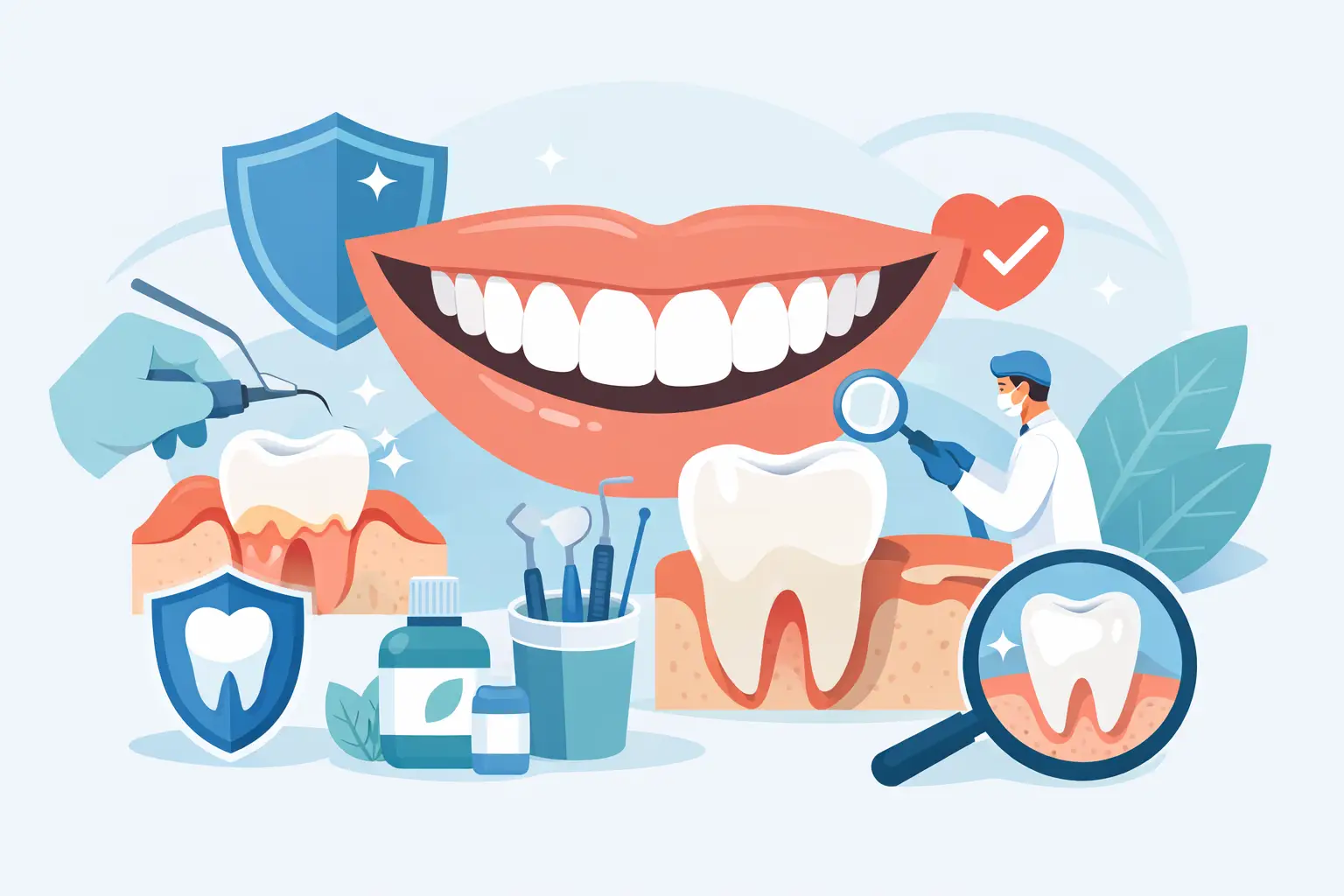
A little bleeding when brushing may seem easy to dismiss. Yet bleeding gums, persistent bad breath, gum recession, loose teeth, or a change in how your bite feels can signal an infection that is affecting the foundation of your smile. Periodontal treatment addresses that foundation - the gums, bone, and supporting tissues that keep natural teeth and dental implants stable.
For adults in Encinitas, Carlsbad, Vista, and surrounding North County San Diego communities, timely specialty care can often mean the difference between preserving a tooth and losing it. The right approach is never one-size-fits-all. It depends on the type and extent of disease, the amount of bone support remaining, your health history, and the goals you have for your smile.
What Periodontal Disease Can Do Below the Gumline
Periodontal disease begins when bacterial plaque accumulates around and beneath the gumline. In its earliest stage, gingivitis, gums may appear red, swollen, or prone to bleeding. Gingivitis can often be reversed with thorough professional care and consistent home hygiene.
When the infection progresses to periodontitis, it causes a more serious problem. The gums can pull away from teeth, creating periodontal pockets where harmful bacteria thrive. Over time, the body’s inflammatory response and the bacterial infection can damage the bone and connective tissues that support the teeth. Unlike gingivitis, bone loss from periodontitis does not grow back on its own.
Many people are surprised by how quietly this can occur. Gum disease is not always painful, and a tooth can feel normal even as its support is gradually reduced. That is why measurements of pocket depth, gum recession, tooth mobility, and bone levels on imaging are central to a periodontal evaluation.
When Periodontal Treatment Is Recommended
A general dentist may identify signs of gum disease during routine care and recommend a periodontal specialist when the condition is advanced, recurring, or complicated by bone loss, recession, implants, or medical factors. A specialist evaluation is also appropriate when you have been told a tooth may need to be extracted, but want to understand whether it can be saved.
Common reasons to seek care include bleeding that continues despite brushing, deep periodontal pockets, receding gums, teeth that have shifted or become mobile, discomfort when chewing, and a history of gum disease that has returned after prior treatment. Dental implants also require careful monitoring. Implants do not get cavities, but they can develop inflammatory disease in the surrounding tissues, called peri-implant mucositis or peri-implantitis. Left untreated, peri-implantitis can lead to bone loss and implant failure.
The goal is not simply to make gums look healthier at the surface. Effective care controls infection, creates an environment that can be maintained, and protects the function of teeth or implants over the long term.
A Precise Diagnosis Comes Before Treatment
Every successful treatment plan starts with understanding what is happening beneath the gumline. A periodontal examination typically includes measurements around each tooth or implant, an assessment of bleeding and inflammation, evaluation of recession and mobility, and a review of diagnostic imaging to determine the pattern of bone loss.
This detailed assessment matters because similar symptoms can have different causes. Gum recession may be related to periodontal disease, overly aggressive brushing, thin tissue, tooth position, bite forces, or a combination of factors. A deep pocket around one implant may be a localized issue, while generalized bone loss may call for a broader strategy.
Your overall health is part of the discussion as well. Diabetes, smoking or vaping, certain medications, dry mouth, stress, and genetics can influence gum health and healing. A thoughtful plan accounts for these factors rather than treating every patient with the same protocol.
Periodontal Treatment Options
Non-Surgical Therapy for Early and Moderate Disease
Scaling and root planing is often the first step for active periodontal infection. This deep cleaning removes bacterial deposits and calculus from below the gumline and smooths root surfaces so the gums can heal more effectively. It is more comprehensive than a routine dental cleaning and may be completed in sections of the mouth.
Some patients may also benefit from targeted antimicrobial strategies or home-care systems such as Perio Protect, depending on their periodontal condition and ability to maintain difficult-to-reach areas. These tools can support treatment, but they do not replace precise professional removal of deposits or ongoing periodontal monitoring.
After healing, the gums are reevaluated. Shallower pockets with reduced bleeding are encouraging signs that infection is under control. If deep pockets persist, further treatment may be needed to access and treat areas that cannot be adequately maintained with non-surgical care alone.
Laser and Surgical Care for Advanced Needs
For qualified patients, LANAP laser gum therapy may be used to treat periodontal disease with a focused laser approach. The laser targets diseased tissue and bacteria within periodontal pockets while supporting a conservative treatment experience. It can be an appealing option for patients concerned about discomfort or recovery, though candidacy depends on the anatomy of the disease and the clinical findings.
Traditional periodontal surgery remains the most predictable choice in some situations, particularly when direct access is needed to thoroughly clean deep defects, reshape tissue, or address complex bone loss. Surgery is not a failure of earlier treatment. It is sometimes the most precise way to create a healthier, more maintainable foundation.
When disease has caused significant bone loss, regenerative procedures may be considered. Bone grafting, regenerative materials, and specialized membranes can sometimes help rebuild support in carefully selected defects. The outcome depends on factors such as the shape of the bone loss, infection control, oral hygiene, and healing capacity. Regeneration is powerful, but it is not a guarantee that every lost structure can be restored.
Treating Recession, Failing Implants, and Missing Teeth
Gum grafting may be recommended when recession exposes root surfaces, causes sensitivity, compromises appearance, or leaves a tooth vulnerable to further tissue loss. Soft-tissue grafts can add thickness and improve protection around vulnerable teeth or implants.
For implants affected by inflammation or bone loss, early intervention is especially valuable. Treatment may involve professional decontamination, laser-based therapy such as LAPIP when appropriate, regenerative care, or surgical access. Some failing implants can be stabilized; others may need removal and site development before a replacement is considered. An experienced periodontal and implant specialist can help determine which option offers the best long-term prognosis.
If teeth are missing or cannot be saved, implant placement, implant-supported dentures, or All-on-4 treatment may restore function and confidence. However, implant treatment should begin only after periodontal infection is controlled and the supporting bone and gum tissue have been carefully evaluated.
Comfort Is Part of Quality Care
Periodontal procedures can understandably cause anxiety, especially for patients who have avoided treatment because of fear or a prior difficult experience. Comfort should be addressed directly, not treated as an afterthought. Local anesthesia, carefully planned appointments, and sedation dentistry when appropriate can make complex care more manageable.
Equally important is clear communication. You should understand what the diagnosis means, why a specific approach is recommended, what healing may involve, and how maintenance will protect the result. Board-certified periodontal expertise brings depth to these decisions, particularly when the goal is to preserve a natural tooth, manage a compromised implant, or rebuild damaged support with precision.
Maintenance Protects the Result
Periodontal disease can be controlled, but patients with a history of periodontitis remain at risk for recurrence. Once active treatment is complete, periodontal maintenance visits are typically scheduled more frequently than standard cleanings. The interval depends on your disease history, pocket depths, bleeding levels, home care, and risk factors.
At home, consistent brushing, daily cleaning between teeth, and following your clinician’s specific recommendations are essential. Smoking cessation and stable blood sugar control can also make a meaningful difference in treatment response and long-term stability.
If your gums bleed, an implant feels different, or you have been told that bone loss is threatening your teeth, waiting rarely makes the problem simpler. A thorough periodontal evaluation can replace uncertainty with a clear, individualized path toward protecting the smile you rely on every day.
Quick Links
Helpful Articles
article_category: products
article_category: psychiatry
article_category: faqs
article_category: cats
article_category: general
article_category: services
article_category: technology
article_category: dogs
article_category: restorative
article_category: vision therapy
article_category: contact lenses
article_category: health
article_category: conditions
article_category: eye surgery co-management
article_category: exotic
article_category: cosmetic
article_category: surgical procedures
article_category: aesthetics
article_category: preventative
article_category: ocular disease management
article_category: eyeglasses
article_category: eye health
article_category: large animal
[]
article_category: psychiatry
article_category: faqs
article_category: cats
article_category: general
article_category: services
article_category: technology
article_category: dogs
article_category: restorative
article_category: vision therapy
article_category: contact lenses
article_category: health
article_category: conditions
article_category: eye surgery co-management
article_category: exotic
article_category: cosmetic
article_category: surgical procedures
article_category: aesthetics
article_category: preventative
article_category: ocular disease management
article_category: eyeglasses
article_category: eye health
article_category: large animal
[]
Flowbite is an open-source library of interactive components built on top of Tailwind CSS including buttons, dropdowns, modals, navbars, and more.
Check out this guide to learn how to get started and start developing websites even faster with components on top of Tailwind CSS.
All Dental Services
We offer a wide variety of dental services to the Encinitas community. Contact us with any questions about our services.

Keep In Touch
For non-urgent questions or to learn more about our services, contact us today!
© 2026 Bita Farhoumand, DDS. All rights Reserved - Accessibility Statement - Privacy Policy - Sitemap
Managed and Designed by 