
Is Sedation Dentistry for Implant Surgery Right?
Blog:Is Sedation Dentistry for Implant Surgery Right?
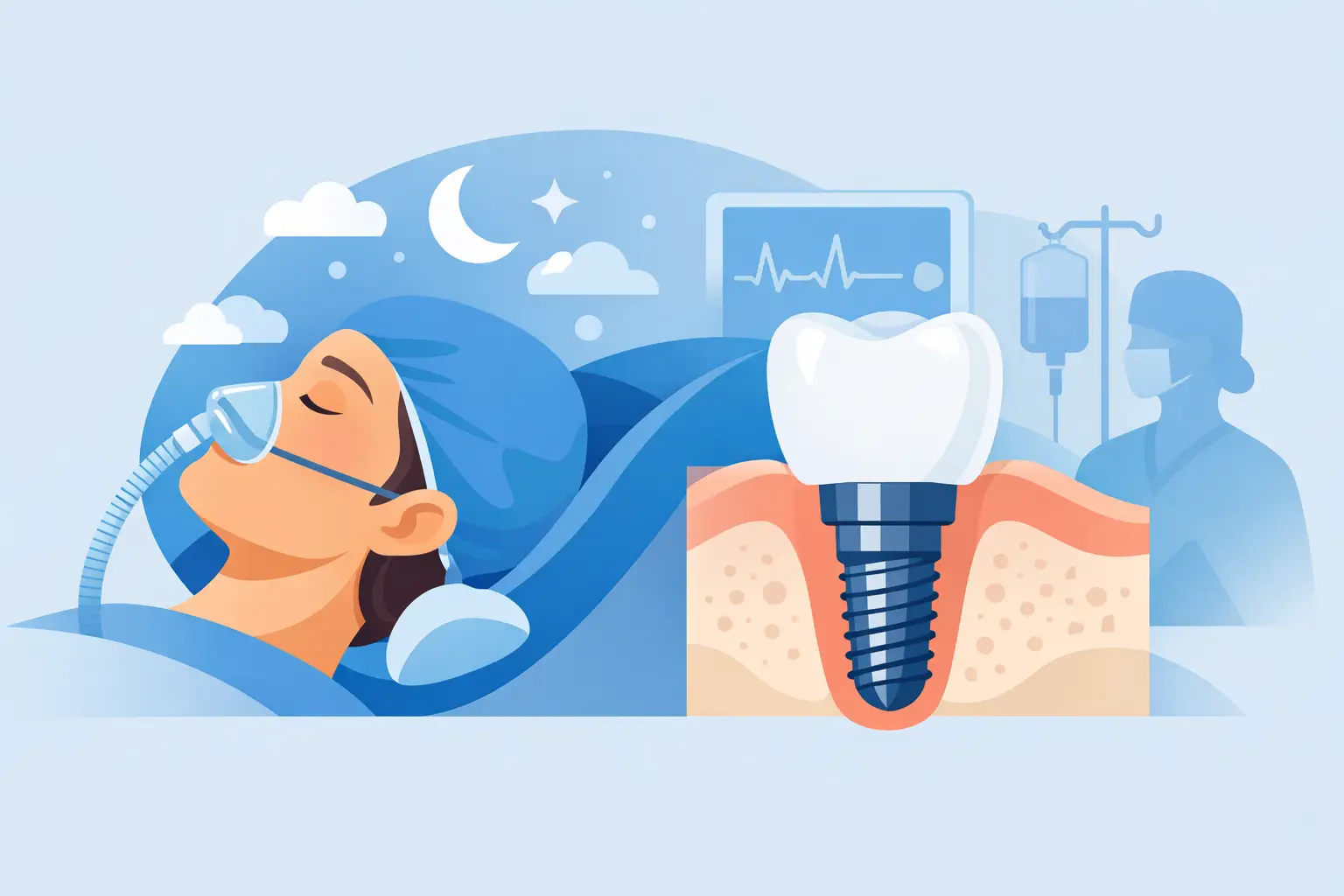
A dental implant can restore far more than a missing tooth. It can improve chewing comfort, support your bite, and help protect the bone and facial structure around the area. Yet for many patients, the surgical appointment itself is the part that causes hesitation. Sedation dentistry for implant surgery is designed to make that experience calmer and more manageable while allowing your periodontal specialist to work with the focus and precision implant treatment requires.
For some patients, local anesthetic is all that is needed. For others, especially those with significant anxiety, a strong gag reflex, complex surgical needs, or several procedures planned in one visit, sedation can be an important part of a comfortable treatment plan. The appropriate choice depends on your health history, the procedure, and your individual comfort level.
Why Implant Surgery Can Feel Overwhelming
Even when patients understand that implants are a reliable, long-term tooth replacement option, surgery can feel intimidating. The concern may come from a previous difficult dental experience, fear of needles or sounds, worry about discomfort, or simply the idea of being unable to take a break during treatment.
Implant placement may also involve more than placing the implant itself. Depending on the condition of the jawbone and gums, treatment can include extraction of a damaged tooth, bone grafting, sinus augmentation, soft-tissue grafting, or treatment of inflammation around an existing implant. These procedures are carefully planned, but they can make an appointment longer or more involved.
Sedation does not replace profound local anesthesia. Your surgical area still needs to be completely numb. Instead, sedation helps reduce awareness, tension, and anxiety so you can remain comfortable throughout the procedure.
Sedation Dentistry for Implant Surgery: Your Options
Sedation is not one-size-fits-all. A thorough consultation should include a review of your medical history, medications, allergies, airway considerations, prior experiences with sedation, and the details of your planned surgery. Your specialist can then recommend an approach that provides the right level of support without using more sedation than necessary.
Local Anesthesia Alone
Local anesthetic blocks pain in the treatment area while you remain fully awake. It is often appropriate for straightforward implant placement in patients who feel comfortable with dental procedures. You may notice pressure or vibration, but you should not feel pain.
The advantage is simplicity. There is typically no sedative recovery period and no need for a driver solely because of local anesthesia. Still, local anesthesia may not be the best fit for someone whose anxiety makes it difficult to relax or remain still.
Nitrous Oxide
Nitrous oxide, sometimes called laughing gas, is inhaled through a small nasal mask. It can create a lighter, calmer feeling while allowing you to remain responsive. The effects wear off relatively quickly after the gas is discontinued.
This option can be helpful for mild to moderate nervousness, but it may not provide enough support for a patient with severe dental fear or a lengthy surgical procedure. Nasal congestion and certain medical factors can also affect whether nitrous oxide is practical on the day of treatment.
Oral Conscious Sedation
Oral sedation involves taking prescribed medication before the appointment. Patients are generally awake and able to respond, but many feel deeply relaxed and remember little of the procedure afterward.
Because the medication can impair coordination, judgment, and memory for the rest of the day, a responsible adult must drive you home and stay with you as directed. Oral sedation can be an excellent option, but its effect is less adjustable once the medication has been taken than IV sedation.
IV Sedation
IV sedation is administered through a vein and allows the surgical team to carefully adjust the level of sedation during treatment. Many patients describe feeling as though the appointment passed very quickly. They remain able to respond to simple instructions, but their awareness of the procedure is greatly reduced.
For more complex implant cases, IV sedation may offer meaningful benefits. It can help patients remain relaxed through longer treatment and can make it easier for the clinician to perform precise surgical work without interruptions caused by anxiety or discomfort. Continuous monitoring is a central part of safe IV sedation care.
What Sedation Can and Cannot Do
The greatest benefit of sedation is not simply that it makes a procedure feel easier. When a patient is calm, comfortable, and able to remain still, the surgical team can work more efficiently and precisely. That matters when placing an implant in a position that must account for bone volume, nearby teeth, bite forces, and the final restoration.
Sedation may also make it possible to complete related procedures in a single visit when clinically appropriate. For example, a patient who needs an extraction, grafting, and implant placement may prefer not to face multiple stressful appointments. Whether combining procedures is advisable depends on healing needs and the complexity of the case.
At the same time, sedation is not a shortcut around thoughtful planning or a substitute for surgical expertise. Successful implant treatment depends on accurate diagnostics, healthy gum tissue, stable bone support, careful implant positioning, and a committed healing and maintenance plan. Sedation supports the experience of care. It does not change the biological requirements for a lasting result.
Safety Starts Before the Appointment
A reputable sedation plan begins well before surgery day. Your periodontal specialist should understand your full health picture, including heart or lung conditions, sleep apnea, diabetes, medication use, alcohol or recreational drug use, and prior reactions to anesthesia. Be candid. Details that may seem unrelated can influence which sedation option is safest.
Follow pre-operative instructions exactly. Depending on the type of sedation, you may be asked to avoid food and drink for a specific period, arrange transportation, wear comfortable clothing, and pause certain medications only if your physician and dental specialist advise it. Do not make medication changes on your own.
If you receive oral or IV sedation, plan to take the day off. You should not drive, operate machinery, sign important documents, drink alcohol, or make major decisions until the sedative effects have fully resolved. Having a trusted adult available at home can make the first hours of recovery more comfortable.
Questions Worth Asking at Your Consultation
Feeling informed is often one of the best ways to reduce anxiety. Ask which sedation options are appropriate for your procedure, who will administer and monitor the sedation, and what credentials and emergency protocols are in place. You can also ask how your pain will be controlled after surgery, what recovery support you will need, and whether your medical conditions affect the plan.
It is equally reasonable to discuss your fears directly. Tell your specialist if you have had trouble getting numb, panic in dental settings, a sensitive gag reflex, or a prior anesthesia concern. These are not minor details. They help shape a treatment experience that is both safer and more comfortable.
At Bita Farhoumand, DDS, sedation is considered within the larger context of precision periodontal and implant care. The goal is not simply to help patients get through surgery, but to create the conditions for thoughtful treatment, comfortable healing, and durable function.
A Calmer Path to Restoring Your Smile
Choosing sedation is not a sign that you are weak or unusually fearful. It is a practical clinical option for patients who need extra support during a procedure that can have a meaningful effect on their oral health and quality of life. The right approach should leave you feeling heard, well prepared, and confident that your treatment plan is built around both your safety and your long-term result.
If implant surgery has been on hold because the experience feels daunting, bring that concern to your consultation. A careful conversation about sedation may be the step that helps you move forward with the treatment your smile needs.
Quick Links
Helpful Articles
article_category: products
article_category: psychiatry
article_category: faqs
article_category: cats
article_category: general
article_category: services
article_category: technology
article_category: dogs
article_category: restorative
article_category: vision therapy
article_category: contact lenses
article_category: health
article_category: conditions
article_category: eye surgery co-management
article_category: exotic
article_category: cosmetic
article_category: surgical procedures
article_category: aesthetics
article_category: preventative
article_category: ocular disease management
article_category: eyeglasses
article_category: eye health
article_category: large animal
[]
article_category: psychiatry
article_category: faqs
article_category: cats
article_category: general
article_category: services
article_category: technology
article_category: dogs
article_category: restorative
article_category: vision therapy
article_category: contact lenses
article_category: health
article_category: conditions
article_category: eye surgery co-management
article_category: exotic
article_category: cosmetic
article_category: surgical procedures
article_category: aesthetics
article_category: preventative
article_category: ocular disease management
article_category: eyeglasses
article_category: eye health
article_category: large animal
[]
Flowbite is an open-source library of interactive components built on top of Tailwind CSS including buttons, dropdowns, modals, navbars, and more.
Check out this guide to learn how to get started and start developing websites even faster with components on top of Tailwind CSS.
All Dental Services
We offer a wide variety of dental services to the Encinitas community. Contact us with any questions about our services.

Keep In Touch
For non-urgent questions or to learn more about our services, contact us today!
© 2026 Bita Farhoumand, DDS. All rights Reserved - Accessibility Statement - Privacy Policy - Sitemap
Managed and Designed by 