
When to See a Periodontist for Gum Disease
Blog:When to See a Periodontist for Gum Disease
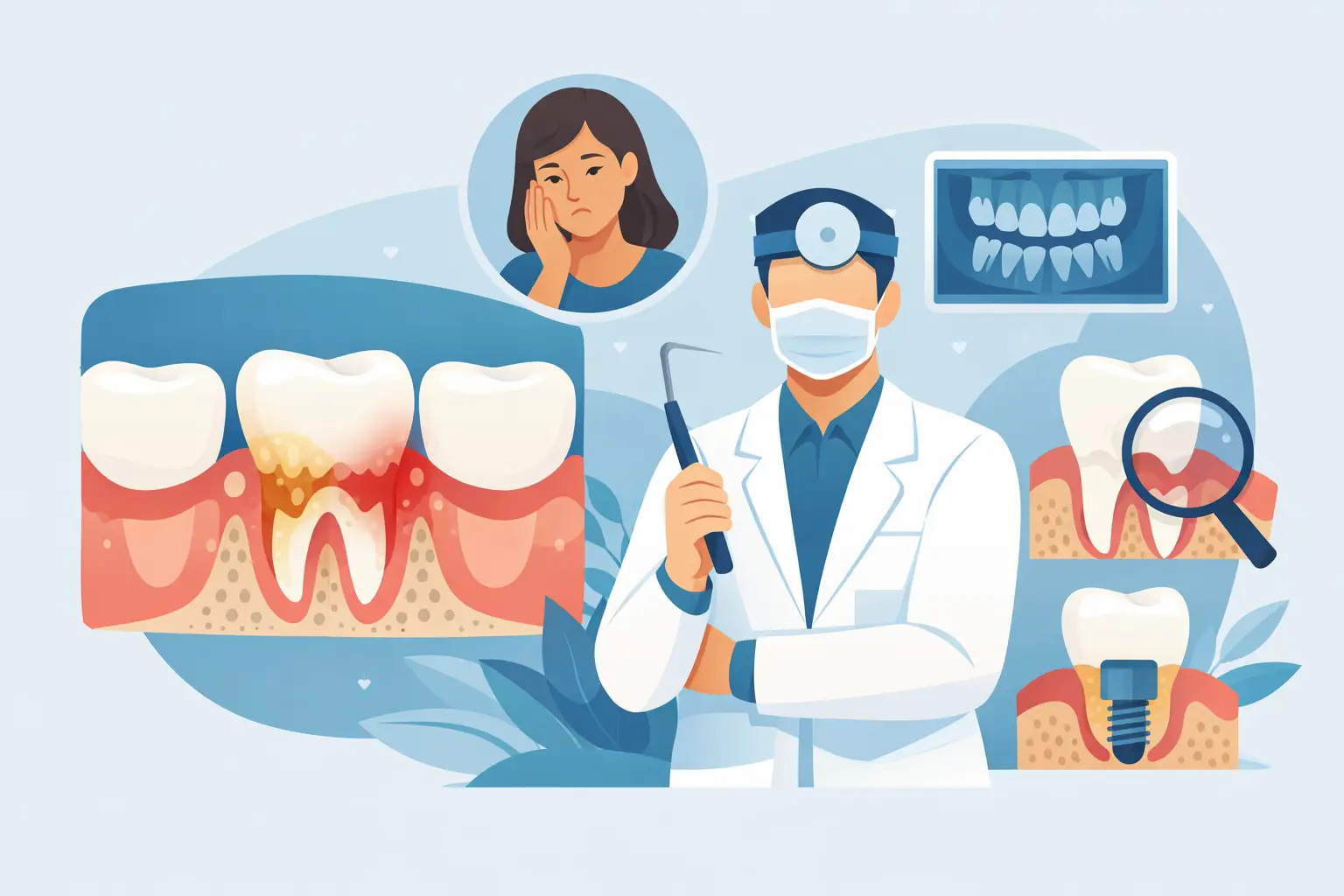
Bleeding when you brush may seem minor, especially if it stops quickly. But healthy gums generally do not bleed with routine brushing or flossing. Knowing when to see a periodontist can help you address gum disease, bone loss, recession, or implant concerns before they threaten the comfort, appearance, and long-term stability of your smile.
A general dentist is often the first to identify periodontal concerns during a routine exam. A periodontist is the specialist who evaluates and treats the structures that support your teeth: the gums, bone, periodontal ligament, and dental implants. Seeing a specialist does not always mean surgery. It means receiving a more detailed diagnosis and a treatment plan designed to protect what can be preserved.
What a Periodontist Does Differently
Periodontal disease is not limited to inflamed gums. As infection progresses below the gumline, it can damage the bone that holds teeth in place. The process is often gradual and painless, which is why patients may not realize the condition has become advanced until they notice loose teeth, gum recession, or changes in their bite.
A periodontist has advanced training in diagnosing gum and bone conditions, managing complex periodontal disease, placing and restoring dental implants, and rebuilding lost bone or soft tissue when appropriate. This expertise is particularly valuable when treatment requires precision around tooth roots, implant surfaces, or areas where bone support has been compromised.
The right recommendation depends on the severity of the condition, your overall health, the shape and amount of available bone, and your goals for your smile. Some patients benefit from nonsurgical periodontal therapy and consistent maintenance. Others need laser treatment, regenerative procedures, grafting, or implant-focused care.
When to See a Periodontist: 8 Clear Signs
1. Your gums bleed, swell, or feel tender
Occasional irritation from brushing too aggressively can happen. Persistent bleeding, redness, swelling, or tenderness is different. These symptoms may indicate gingivitis or a more advanced infection below the gumline. A periodontal evaluation can determine whether inflammation is limited to the gums or whether deeper pockets and bone loss are present.
2. Your gums are pulling away from your teeth
Gum recession can make teeth look longer and expose sensitive root surfaces. It may result from periodontal disease, aggressive brushing, tooth position, clenching, or naturally thin gum tissue. Because recession does not repair itself, early assessment matters. In some cases, soft-tissue grafting can improve coverage, reduce sensitivity, and help protect vulnerable roots.
3. You have persistent bad breath or an unpleasant taste
Bad breath is not always caused by gum disease, but bacteria trapped in periodontal pockets can create an odor or taste that does not improve with brushing, mouthwash, or regular cleanings. A periodontist can identify whether the source is periodontal infection and recommend treatment that addresses the cause rather than simply masking the symptom.
4. You have been told you have deep pockets or bone loss
During a dental exam, your dentist may measure the spaces between the teeth and gums. Deeper periodontal pockets can allow bacteria to collect below the gumline, where routine brushing cannot reach. X-rays may also reveal bone loss around teeth. These findings are strong reasons for specialist care, especially if the disease is progressing or has not responded to initial treatment.
5. A tooth feels loose or your bite has changed
Teeth can shift when periodontal disease weakens their supporting bone. You may notice spaces developing between teeth, a change in how your teeth come together, or a tooth that feels mobile when you chew. These signs deserve prompt attention. While not every compromised tooth can be saved, timely periodontal treatment may preserve teeth that would otherwise be lost.
6. You are considering a dental implant
Dental implants need adequate bone, healthy gum tissue, and careful planning to succeed over the long term. A periodontist evaluates all three. If bone has been lost after an extraction or because of gum disease, grafting may be recommended before or at the time of implant placement. This additional planning can improve implant position, appearance, function, and durability.
7. An existing implant is bleeding, sore, or feels unstable
Implants do not get cavities, but the tissues around them can become infected. This condition, often called peri-implant disease, may cause bleeding, swelling, discomfort, bad breath, gum recession, or bone loss around the implant. Early treatment is critical because infection can threaten the implant's support. Advanced treatment options may help control infection and preserve a compromised implant when intervention happens soon enough.
8. You have been told you need an extraction or complex surgery
An extraction recommendation can be appropriate, but it is reasonable to seek a periodontal evaluation when a tooth has a complex prognosis. A specialist can assess whether regenerative treatment, root coverage, or other periodontal therapy could help retain the tooth. If extraction is still the best option, a periodontist can plan for bone preservation and future implant replacement with the end result in mind.
Why Waiting Can Make Treatment More Complex
Gum disease rarely improves without professional care. The infection can advance quietly, and once bone is lost, the body does not simply rebuild it on its own. Delaying treatment may turn a manageable concern into a situation requiring more extensive therapy.
That said, urgency does not mean panic. Many periodontal conditions can be managed successfully with an individualized plan. For mild to moderate disease, scaling and root planing may remove bacterial deposits below the gumline and create a healthier environment for healing. For appropriate patients, laser-assisted periodontal therapy such as LANAP may offer a precise approach to treating diseased tissue while supporting recovery.
More advanced cases may call for regenerative bone procedures, gum grafting, or surgical access to thoroughly treat deep areas of infection. The goal is not to recommend the most involved procedure. It is to choose the treatment that gives your teeth, gums, or implants the best realistic chance for long-term health.
What to Expect at a Periodontal Consultation
A thorough periodontal consultation begins with listening. Your specialist should understand what you have noticed, whether you have experienced discomfort or bleeding, what previous treatment you have received, and what concerns you may have about surgery or dental anxiety.
The clinical evaluation may include periodontal pocket measurements, digital imaging, an assessment of gum recession and tooth mobility, bite analysis, and a review of the bone supporting your teeth or implants. For implant cases, planning may include advanced imaging to evaluate bone volume and anatomical structures before treatment.
After the examination, you should receive a clear explanation of the findings, available options, expected benefits, limitations, and likely maintenance needs. Periodontal health is a partnership. Even excellent treatment requires consistent home care and professional maintenance to keep infection from returning.
Choosing Specialist Care for Teeth and Implants
For patients in Encinitas and North County San Diego, choosing a board-certified periodontist can provide added confidence when the diagnosis involves advanced gum disease, tissue loss, bone loss, or implants. Board certification reflects a high level of specialty training and ongoing commitment to the standards of periodontal care.
At Bita Farhoumand, DDS, treatment planning centers on preserving healthy teeth whenever possible and creating stable foundations for implants when replacement is needed. Advanced technology and sedation options can also make complex care more comfortable for patients who have delayed treatment because of fear or past dental experiences.
If your gums are bleeding, your teeth feel different, or an implant no longer feels healthy, do not wait for pain to become the deciding factor. A focused periodontal evaluation can give you clarity, protect your options, and help you move forward with care that is built for lasting function.
Quick Links
Helpful Articles
article_category: products
article_category: psychiatry
article_category: faqs
article_category: cats
article_category: general
article_category: services
article_category: technology
article_category: dogs
article_category: restorative
article_category: vision therapy
article_category: contact lenses
article_category: health
article_category: conditions
article_category: eye surgery co-management
article_category: exotic
article_category: cosmetic
article_category: surgical procedures
article_category: aesthetics
article_category: preventative
article_category: ocular disease management
article_category: eyeglasses
article_category: eye health
article_category: large animal
[]
article_category: psychiatry
article_category: faqs
article_category: cats
article_category: general
article_category: services
article_category: technology
article_category: dogs
article_category: restorative
article_category: vision therapy
article_category: contact lenses
article_category: health
article_category: conditions
article_category: eye surgery co-management
article_category: exotic
article_category: cosmetic
article_category: surgical procedures
article_category: aesthetics
article_category: preventative
article_category: ocular disease management
article_category: eyeglasses
article_category: eye health
article_category: large animal
[]
Flowbite is an open-source library of interactive components built on top of Tailwind CSS including buttons, dropdowns, modals, navbars, and more.
Check out this guide to learn how to get started and start developing websites even faster with components on top of Tailwind CSS.

All Dental Services
We offer a wide variety of dental services to the Encinitas community. Contact us with any questions about our services.

Keep In Touch
For non-urgent questions or to learn more about our services, contact us today!
© 2026 Bita Farhoumand, DDS. All rights Reserved - Accessibility Statement - Privacy Policy - Sitemap
Managed and Designed by 