
Why Are Gums Swollen? Causes and Next Steps
Blog:Why Are Gums Swollen? Causes and Next Steps
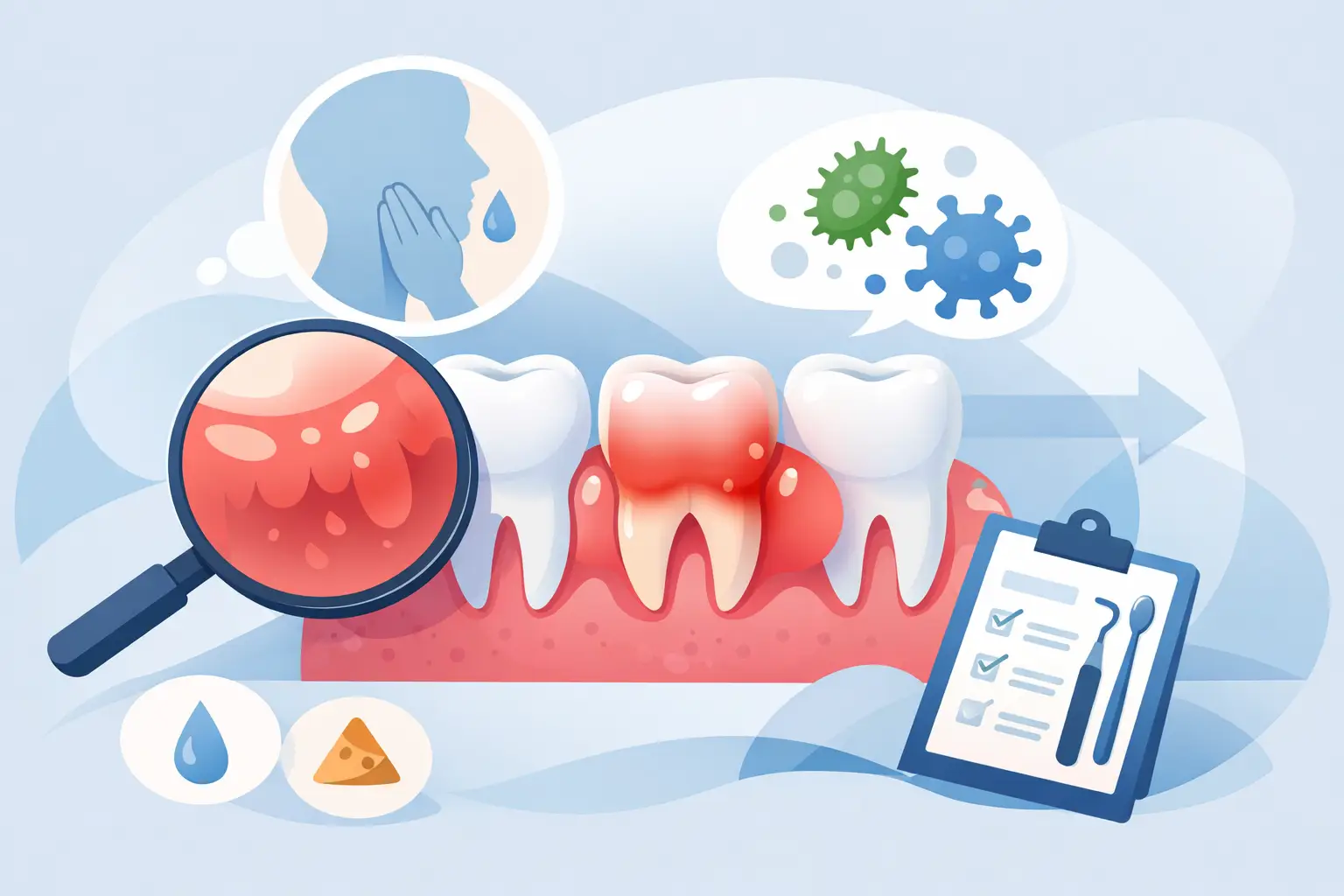
A puffy gumline that bleeds when you brush is easy to dismiss for a few days. But if you are wondering, why are gums swollen, the answer may be more significant than a toothbrush irritation. Swelling is your body’s response to inflammation, infection, or injury. The right next step depends on what is causing it - and how quickly it is addressed.
Why Are Gums Swollen?
Gums become swollen when blood flow and immune activity increase in the tissue. Sometimes the cause is temporary, such as food caught between teeth or a vigorous brushing session. More often, persistent swelling is a sign that bacterial plaque has collected at or below the gumline.
Plaque is a sticky bacterial film that forms continuously on teeth. When it is not thoroughly removed, it can irritate the gums, causing redness, tenderness, swelling, and bleeding. Over time, plaque can harden into tartar, also called calculus. Tartar cannot be removed with brushing or flossing alone, and it creates a rough surface where more bacteria can accumulate.
When inflammation remains untreated, it may progress beyond the visible gumline. The supporting bone and ligament around the teeth can begin to break down, often with little pain. That is why swollen gums deserve attention even when the discomfort feels mild.
The Most Common Causes of Swollen Gums
Gingivitis
Gingivitis is the earliest stage of gum disease and one of the most common reasons for swollen gums. It typically causes gums to look redder than usual, feel tender, and bleed during brushing or flossing. Bad breath may also be present.
At this stage, the inflammation is generally reversible with professional cleaning and consistent home care. However, gingivitis should not be viewed as harmless. It is a warning that bacteria are affecting the gums, and without treatment, the condition can advance.
Periodontitis
Periodontitis is a more advanced infection affecting the structures that hold teeth in place. As the gums pull away from the teeth, pockets can form below the gumline. These spaces harbor bacteria that are difficult to reach with a toothbrush, creating a cycle of inflammation and tissue damage.
Signs may include persistent swelling and bleeding, gum recession, bad breath, spaces developing between teeth, changes in how teeth fit together, or loose teeth. Some people have significant bone loss with surprisingly little discomfort. Periodontitis requires more than routine cleaning. Treatment may involve scaling and root planing, laser periodontal therapy, localized antimicrobial treatment, or surgical care depending on the severity and anatomy of the condition.
Something Trapped Near the Gumline
A popcorn hull, piece of meat, seed, or other debris can lodge between teeth or under the gum edge. The area may become swollen and sore very quickly. Gentle flossing may remove the object, but avoid digging aggressively with sharp tools, as this can injure the tissue and push debris farther below the gumline.
If swelling does not settle within a day or two, or if the area becomes increasingly painful, a dental evaluation is appropriate. What appears to be trapped food can sometimes be the beginning of an abscess or another periodontal issue.
A Tooth or Gum Abscess
An abscess is a pocket of infection that can develop around the root of a tooth or in the gums. It may cause a swollen bump, throbbing pain, a bad taste, drainage, or facial swelling. In some cases, the pain eases after drainage begins, but the infection has not resolved.
An abscess needs prompt professional treatment. Dental infections can spread, and they should not be managed with home remedies alone. If swelling extends into the face or neck, or is accompanied by fever, difficulty swallowing, difficulty breathing, or severe pain, seek urgent medical or dental care immediately.
Hormonal Changes, Medications, and Dry Mouth
Hormonal shifts during pregnancy, puberty, or menopause can make gums more reactive to plaque. This does not mean swelling should simply be accepted as normal. It means careful home care and professional monitoring become even more valuable.
Certain medications can also contribute to gum enlargement or make gums more prone to inflammation. Some blood pressure medications, seizure medications, and immune-modifying drugs are associated with gum tissue changes. Dry mouth can increase bacterial activity as well because saliva helps rinse the mouth and protect teeth and soft tissues.
Bring an updated medication list to dental visits. Do not stop prescribed medication because of gum symptoms without speaking with the clinician who manages your care.
Smoking, Vaping, and Systemic Health Conditions
Tobacco use changes the way gum disease presents and heals. Smokers may show less bleeding than expected because nicotine constricts blood vessels, even while periodontal disease progresses beneath the surface. Vaping may also irritate oral tissues and can complicate healing.
Diabetes, immune disorders, nutritional deficiencies, and stress can affect the body’s inflammatory response. Poorly controlled diabetes and gum disease, in particular, can influence each other. A periodontist will consider your complete health history when determining why swelling is occurring and which treatment will offer the most predictable outcome.
When Swollen Gums Need a Specialist’s Attention
A brief episode of minor irritation may improve with gentle brushing, daily flossing, and removal of the obvious source. But recurring or persistent swelling is not something to wait out. Schedule a periodontal evaluation if your gums bleed regularly, remain swollen longer than one to two weeks, recede, produce a persistent bad taste, or if you notice loose teeth or changes in your bite.
You may also benefit from specialist care if you have been told you have deep gum pockets, bone loss, advanced gum disease, a failing dental implant, or a tooth that may need extraction. A thorough periodontal examination measures pocket depths, evaluates gum tissue and bone support, and identifies where bacterial infection is active. Digital imaging may be used when necessary to assess bone levels and plan treatment precisely.
For patients with moderate to advanced disease, treatment should focus on controlling infection while preserving healthy tissue, bone, and teeth whenever possible. This may include nonsurgical periodontal therapy or advanced laser treatment such as LANAP when clinically appropriate. The best approach is individualized - not every patient needs surgery, and not every case can be solved by a standard cleaning.
What You Can Do Before Your Appointment
Use a soft-bristled toothbrush twice daily and brush gently along the gumline. Clean between your teeth every day with floss, interdental brushes, or another tool recommended for your specific spacing and dental work. If brushing makes your gums bleed, do not stop cleaning the area. Bleeding often reflects inflammation, and consistent gentle plaque removal is part of improving it.
Avoid smoking and vaping, and limit sugary snacks and drinks that feed bacterial growth. A warm saltwater rinse may provide temporary comfort, but it is not a substitute for diagnosing the source of swelling. Avoid placing aspirin directly on the gums or using harsh products that can burn soft tissue.
If you have a crown, bridge, implant, or denture, be especially attentive to changes around it. Swelling around an implant can signal peri-implant disease, which requires early care to help protect the implant and surrounding bone.
Protecting More Than Your Gumline
Swollen gums are often the first visible signal of a process that is happening below the surface. Early care can be straightforward. Waiting can allow inflammation to progress toward recession, bone loss, tooth mobility, and more complex treatment needs.
For patients in Encinitas and North County San Diego, a detailed periodontal evaluation can replace uncertainty with a clear plan. Dr. Bita Farhoumand and her team focus on precision care that addresses the cause of gum inflammation while prioritizing comfort, healthy tissue, and long-term function. If your gums have been swollen, bleeding, or tender, give them the attention they are asking for now.
Quick Links
Helpful Articles
article_category: products
article_category: psychiatry
article_category: faqs
article_category: cats
article_category: general
article_category: services
article_category: technology
article_category: dogs
article_category: restorative
article_category: vision therapy
article_category: contact lenses
article_category: health
article_category: conditions
article_category: eye surgery co-management
article_category: exotic
article_category: cosmetic
article_category: surgical procedures
article_category: aesthetics
article_category: preventative
article_category: ocular disease management
article_category: eyeglasses
article_category: eye health
article_category: large animal
[]
article_category: psychiatry
article_category: faqs
article_category: cats
article_category: general
article_category: services
article_category: technology
article_category: dogs
article_category: restorative
article_category: vision therapy
article_category: contact lenses
article_category: health
article_category: conditions
article_category: eye surgery co-management
article_category: exotic
article_category: cosmetic
article_category: surgical procedures
article_category: aesthetics
article_category: preventative
article_category: ocular disease management
article_category: eyeglasses
article_category: eye health
article_category: large animal
[]
Flowbite is an open-source library of interactive components built on top of Tailwind CSS including buttons, dropdowns, modals, navbars, and more.
Check out this guide to learn how to get started and start developing websites even faster with components on top of Tailwind CSS.
All Dental Services
We offer a wide variety of dental services to the Encinitas community. Contact us with any questions about our services.

Keep In Touch
For non-urgent questions or to learn more about our services, contact us today!
© 2026 Bita Farhoumand, DDS. All rights Reserved - Accessibility Statement - Privacy Policy - Sitemap
Managed and Designed by 